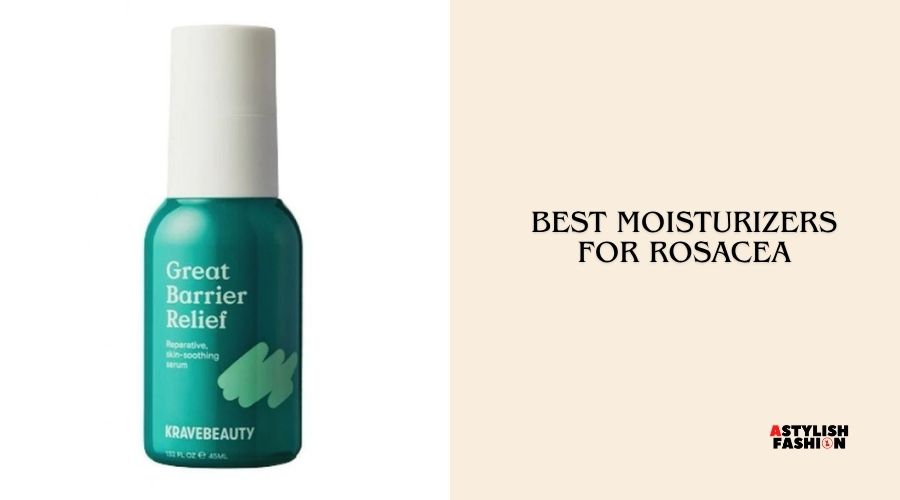
Finding the right skincare when you have rosacea can feel like a guessing game. Many products promise relief but end up causing more irritation due to harsh ingredients or heavy textures. The Best Moisturizers For Rosacea are those that calm redness while keeping your skin barrier strong and hydrated. This guide breaks down the top options to help you choose a soothing solution that fits your daily routine.
Our Picks
Top 10 Moisturizers For Rosacea In 2026
1. La Roche-Posay Toleriane Double Repair Face Moisturizer

Best for: Someone needing barrier repair and long-lasting hydration.
This moisturizer uses a dual-action approach to restore your skin’s natural protective barrier in just one hour. It features prebiotic action to balance the skin’s microbiome, which helps maintain comfort throughout the day. Its lightweight, non-comedogenic texture makes it an excellent choice for those who dislike heavy creams.
Pros
- Restores skin barrier in one hour.
- Delivers 48-hour moisture to skin.
- Non-comedogenic and oil-free formula.
Cons
- Contains lab-developed synthetic ingredients.
- May feel too simple for some.
2. Vanicream Daily Facial Moisturizer

Best for: People with extreme sensitivity to common irritants.
Vanicream is a top choice for those who need a no-nonsense formula that avoids common triggers. It’s free from fragrance, dyes, parabens, and essential oils, making it a safe bet for highly reactive skin. The formula includes hyaluronic acid and five key ceramides to help your skin retain moisture effectively.
This moisturizer is designed to be lightweight and non-greasy, which is perfect for layering under makeup. It’s also recognized by the National Eczema Association, adding a layer of trust for those with compromised skin.
Pros
- Free from common skin irritants.
- Contains five essential skin ceramides.
- Awarded National Eczema Association seal.
Cons
- Lacks specialized anti-redness botanical extracts.
- Simple formula may not suit everyone.
3. Aveeno Calm + Restore Oat Gel Face Moisturizer

Best for: Someone wanting an instant, cooling sensation.
This gel-based moisturizer is built around prebiotic oat and feverfew, which work together to soothe irritated, dry skin. The gel texture is very lightweight and absorbs quickly, providing a cooling effect that feels great on a flushed face. It’s fragrance-free and hypoallergenic, specifically crafted for sensitive skin types.
The formula provides deep nourishment that lasts up to 24 hours, making it a solid choice for morning and evening use.
Pros
- Lightweight, fast-absorbing gel texture.
- Contains soothing prebiotic oat extract.
- Provides 24-hour hydration for skin.
Cons
- Texture might feel too light for extreme dryness.
- Requires layering for intense barrier protection.
4. PHYSIOGEL Calming Relief Redness Relieving Facial Cream

Best for: Those needing visible redness reduction quickly.
PHYSIOGEL is clinically tested to show visible redness reduction within three days. It uses essential skin lipids like ceramide and squalane to reinforce the skin barrier and lock in moisture. This makes it a great option for skin that has been stressed by harsh weather or over-cleansing.
The cream is free from fragrance and alcohol, ensuring it remains gentle for sensitive users. Because it was developed for post-procedure care, it’s quite effective at calming discomfort.
Pros
- Clinically tested to reduce redness.
- Features essential lipids for barrier health.
- Free from fragrance and alcohol.
Cons
- Rich cream texture may feel heavy.
- Not a serum-like consistency.
5. Roycederm Rosacea Treatment Gel

Best for: Those looking to incorporate azelaic acid into their routine.
This gel contains 10% azelaic acid, which is a common ingredient used to manage redness and improve skin texture. It’s paired with calming botanicals like green tea, aloe, and centella to keep the skin feeling comfortable. The gel is lightweight and non-greasy, making it easy to layer with other products.
You should start slow with this product, using it only a few times a week to see how your skin reacts.
Pros
- Contains 10% azelaic acid.
- Includes soothing botanical extracts.
- Lightweight, non-greasy gel texture.
Cons
- Requires careful introduction to the routine.
- Not for those avoiding active acids.
6. Riversol Daily Face Moisturizer

Best for: Users who value dermatologist-led research.
Developed by a Canadian dermatologist, this cream is specifically formulated for reactive and rosacea-prone skin. It uses hinokitiol, an antioxidant from Pacific red cedar, to calm stressed skin and defend against environmental damage. The formula is fragrance-free and aims to reduce the look of redness while providing all-day hydration.
The texture is creamy but absorbs quickly without leaving a heavy residue, which is ideal for daily wear.
Pros
- Developed by a dermatologist.
- Uses hinokitiol for calming redness.
- Fragrance-free and non-greasy.
Cons
- Very focused on a specific formula.
- Limited extra features compared to others.
7. EltaMD UV Skin Recovery Green Tinted 100% Mineral Sunscreen

Best for: People who need sun protection and color correction.
This product is a mineral sunscreen that doubles as a redness-neutralizer. The green tint helps mask redness instantly, giving the skin a more balanced appearance upon application. It’s formulated with cica and ceramides to soothe sensitive skin while providing SPF 50 protection.
Pros
- Instantly neutralizes redness with green tint.
- Provides high SPF 50 protection.
- Contains soothing cica and ceramides.
Cons
- Not suitable for overnight use.
- Mineral filters may require blending.
8. Cetaphil Redness Relieving Night Cream Face Moisturizer

Best for: Someone wanting an overnight soothing treatment.
This night cream is designed to provide continuous hydration to calm redness while you sleep. It features licorice extract and caffeine, which are known to soothe sensitive, redness-prone skin. It’s fragrance-free and non-comedogenic, ensuring it won’t irritate your skin while you rest.
It’s a great choice for those who wake up with a flushed face and want to prevent that feeling. Since it’s formulated specifically for the night, it may be too thick or moisturizing for those who have very oily skin during the day.
Pros
- Soothes skin overnight with licorice extract.
- Fragrance-free and non-comedogenic.
- Provides continuous hydration while sleeping.
Cons
- Formulation may be too heavy for daytime.
- Designed specifically for night use.
9. First Aid Beauty Ultra Repair Cream

Best for: Those needing intense hydration for a damaged barrier.
This cream is known for its whipped texture that absorbs quickly despite being deeply hydrating. It uses colloidal oatmeal and ceramides to soothe and support the skin barrier, making it a favorite for those with eczema or extreme dryness. It’s vegan and free from common irritants like fragrance and sulfates.
It’s a very versatile cream that can be used on both the face and body.
Pros
- Deeply hydrates with colloidal oatmeal.
- Whipped texture absorbs quickly.
- Free from fragrance and sulfates.
Cons
- Can feel heavy on oily skin.
- Best for very dry areas.
10. Hey Honey Skincare Relax

Best for: Someone interested in natural botanical ingredients.
This moisturizer features a 98% natural botanical blend, including honey and propolis to support skin hygiene and soothe irritation. It’s water-based and oil-free, making it a good fit for those who want a calming product that doesn’t feel greasy. It helps address both redness and sensitivity using honeysuckle extract.
Pros
- 98% natural botanical blend.
- Oil-free and lightweight texture.
- Contains soothing honey and propolis.
Cons
- Contains bee-derived ingredients.
- May not suit those with honey allergies.
Choosing the Best Moisturizers for Rosacea
Understanding Your Skin Type
Rosacea often comes with specific skin needs, but your base skin type—oily, dry, or combination—still matters. A person with oily, rosacea-prone skin should look for water-based gels or oil-free lotions that won’t clog pores. Conversely, those with dry, flaky skin benefit from richer creams containing ceramides and lipids to repair the moisture barrier. Don’t assume all rosacea products are the same; a heavy cream that works wonders for a dry-skinned user might cause a breakout for someone else. Always check if the product is labeled non-comedogenic, which means it’s designed not to block pores.
Key Ingredients to Seek
When in doubt, simpler ingredient lists may be better for reactive skin.
The Role of Sun Protection
Sunlight is a major trigger for rosacea, so your moisturizer should ideally work well with or contain SPF. If you choose a moisturizer with sunscreen, look for mineral filters like zinc oxide or titanium dioxide. These are generally less irritating than chemical sunscreens. Some products even include color-correcting tints (like green) to help mask visible redness immediately. If you prefer to keep your moisturizer and sunscreen separate, ensure your moisturizer absorbs quickly so it doesn’t “pill” or clump when you apply your sunscreen on top.
Testing and Introduction
When you find a new product, never apply it to your entire face at once. Perform a patch test on a small, discreet area, such as behind your ear or on your inner arm, to check for reactions. Once you decide to use it on your face, introduce it slowly. Start by using it once a day or even every other day to monitor how your skin responds. If your skin feels comfortable and calm, you can eventually move to twice-daily use. Patience is essential when managing rosacea, as the skin needs time to adapt to new routines without being overwhelmed.
Common Mistakes to Avoid When Buying the Moisturizers For Rosacea
Ignoring the Ingredient List
A common mistake is buying a product solely because the front of the packaging says “for sensitive skin.” Always flip the bottle over and read the full list. Many products labeled for sensitive skin still contain fragrances or botanical extracts that can trigger a flare-up. If you have a history of reacting to certain ingredients, avoid them entirely, regardless of the marketing claims on the front. Focus on products that are fragrance-free and have been clinically tested. If the ingredient list looks like a paragraph of complex chemicals, research the primary active ingredients to ensure they align with your specific skin needs.
Rosacea requires consistent, gentle care. Focus on the build quality and the brand’s reputation for dermatological research. Products developed by dermatologists or those that have received seals from organizations like the National Eczema Association are often safer bets.
Expecting Instant Results
Many buyers expect their redness to vanish overnight. Rosacea is a chronic condition, and most effective treatments take time to show visible improvements. Expecting immediate results often leads to switching products too frequently, which in itself can irritate your skin. Give a new product a significant period of consistent use before deciding if it’s working for you. If you switch products every few days, your skin never gets a chance to recover or show the benefits of a specific formula.
Over-Cleansing and Over-Treating
Another mistake is using too many products at once. You might think that using a specialized moisturizer, an anti-redness serum, and a toner will work better, but this often overwhelms the skin. Stick to a simple routine: a gentle cleanser, your moisturizer, and sun protection during the day. If you want to add an active treatment, do so one at a time. Over-treating can damage your moisture barrier, making your rosacea harder to manage. Less is often more when your skin is already prone to inflammation and irritation.
FAQ
Can I use these moisturizers if I have oily skin?
Yes, many of the products listed, such as the gel-based options, are designed to be lightweight and oil-free. Look for “non-comedogenic” on the label to ensure the product won’t clog your pores.
How long does it take for these products to reduce redness?
Results vary by product and individual skin. Some products report visible results in as little as three days, while others focus on long-term barrier repair, which takes several weeks of consistent use.
Should I apply these moisturizers to damp or dry skin?
Most dermatologists recommend applying moisturizer to slightly damp skin to help lock in hydration. Check the specific directions for each product, as some may have unique application methods.
Are these products safe to use with other medications?
If you’re using prescription medication for rosacea, consult your doctor before adding new products. They can advise you on which ingredients might interact with your treatment.
Can I use these on my eyelids?
The skin around the eyes is very delicate. Unless the product specifically says it’s safe for the eye area, it’s best to avoid applying it directly to your eyelids to prevent potential irritation.
Conclusion
The most effective approach to managing rosacea is a simple, consistent routine using gentle, barrier-supporting ingredients. By choosing a product that matches your specific skin type and avoiding known triggers, you can maintain a comfortable and balanced complexion.
Final Thoughts
Choosing the right product is a journey, so don’t get discouraged if your skin needs a little time to adjust. Pick one gentle option from this list and patch-test it tonight to see how your face reacts. You’ll be well on your way to a calmer, more comfortable complexion soon.