
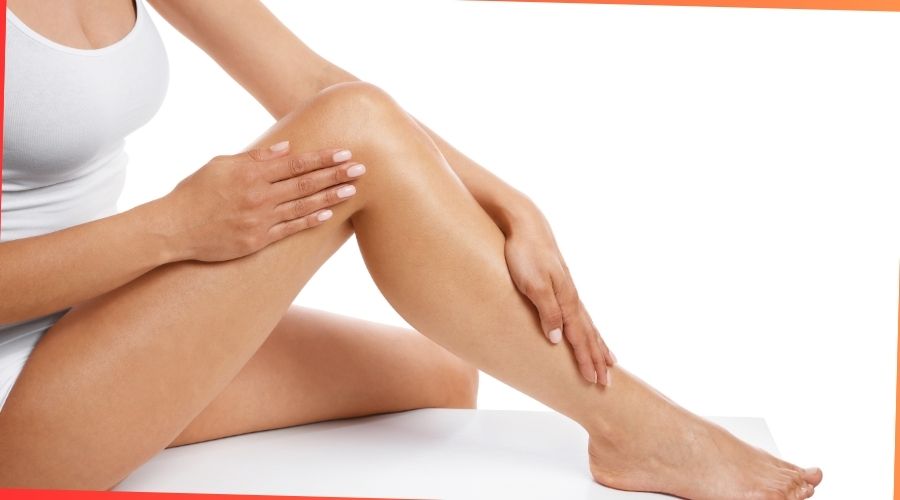
Are you tired of those stubborn ingrown hair scars that just won’t fade? You’re not alone.
These marks can make your skin feel uneven and affect your confidence. But the good news is, you don’t have to live with them forever. You’ll discover simple, effective ways to get rid of ingrown hair scars and restore your skin’s smooth, clear look.
Keep reading, because your skin deserves the best care, and the solutions you need are closer than you think.
Causes Of Ingrown Hair Scars
Ingrown hair scars form after the skin tries to heal from irritation or damage caused by ingrown hairs. These scars can look dark, raised, or bumpy. Understanding what causes ingrown hair scars helps in preventing and treating them effectively.
How Ingrown Hairs Form
Ingrown hairs happen when hair grows back into the skin. Instead of growing out, the hair curls or turns sideways. This causes irritation and inflammation.
Shaving, waxing, or tight clothing can push hairs under the skin. The body reacts by creating a small bump or infection.
Why Scars Develop
Scars appear as the skin heals after inflammation. When the skin breaks or gets irritated, it produces extra tissue. This tissue forms a scar.
Repeated irritation from ingrown hairs makes scars more likely. Darker skin tones may get darker spots called hyperpigmentation.
Common Areas Affected
Ingrown hair scars often appear in places with frequent hair removal. The beard area, legs, underarms, and bikini line are common spots.
These areas have thick or curly hair, increasing the chance of ingrown hairs and scars.
Prevention Tips
Preventing ingrown hair scars starts with careful daily habits. Proper care reduces skin damage and stops scars before they form. Simple steps can keep your skin smooth and clear.
Focus on gentle methods and good products. Protect your skin to avoid irritation and bumps. These tips help maintain healthy skin and prevent scars.
Proper Hair Removal Techniques
Choose hair removal methods that suit your skin type. Avoid shaving too close to the skin to reduce irritation. Use a sharp, clean razor each time.
Try trimming instead of shaving to prevent hair from curling back. Shaving in the direction of hair growth lowers ingrown hairs. Exfoliate gently before hair removal to clear dead skin.
Skin Care Routine
Keep your skin clean and moisturized daily. Use mild cleansers to avoid drying out the skin. Apply a gentle moisturizer to keep skin soft and flexible.
Exfoliate twice a week to remove dead skin cells. This helps hair grow out properly. Avoid harsh scrubs that can damage skin and cause scars.
Choosing The Right Products
Pick products made for sensitive skin to reduce irritation. Look for ingredients like aloe vera and chamomile for soothing effects. Avoid heavy creams that can clog pores.
Use products with salicylic acid to prevent bumps. Test new products on a small skin area first. This prevents allergic reactions and skin damage.
Home Remedies For Scar Reduction
Ingrown hair scars can be stubborn and affect your skin’s smoothness. Home remedies offer gentle ways to reduce these scars. They help improve skin texture and color without harsh chemicals.
Using natural methods can support your skin’s healing process. Consistency is key to seeing results over time. Here are some effective home remedies for scar reduction.
Natural Oils And Extracts
Natural oils nourish the skin and promote healing. Rosehip oil is rich in vitamins that help fade scars. Tea tree oil has antibacterial properties that prevent infection. Aloe vera gel soothes skin and reduces redness. Apply these oils gently on scars twice daily.
Exfoliation Methods
Exfoliation removes dead skin cells and brightens the skin. Use a soft scrub or a gentle brush for best results. Sugar or oatmeal scrubs work well and are easy to make at home. Exfoliate two to three times a week to avoid irritation. This helps scars fade faster by encouraging new skin growth.
Moisturizing Practices
Keeping skin hydrated helps scars heal better. Use a mild, fragrance-free moisturizer daily. Moisturizers lock in moisture and improve skin elasticity. Coconut oil and shea butter are good natural moisturizers. Apply after exfoliation to soothe and protect your skin.
Over-the-counter Treatments
Over-the-counter treatments offer easy options to reduce ingrown hair scars. These products work to soften the skin and fade marks over time. They do not require a prescription and are available at most drugstores. Consistent use is key to seeing results. Choose treatments based on your skin type and scar severity.
Topical Creams And Gels
Topical creams and gels often contain ingredients like vitamin E, aloe vera, or hydrocortisone. These help soothe irritated skin and reduce redness. Some creams have exfoliating acids that remove dead skin cells. This promotes skin renewal and lessens scar appearance. Apply the cream gently twice a day for best results.
Chemical Peels
Chemical peels use mild acids to remove the top skin layer. This process reveals fresher skin beneath and can fade scars. Over-the-counter peels usually contain glycolic or salicylic acid. Use them carefully, following package instructions to avoid irritation. Start with low strength peels and increase as your skin adjusts.
Silicone Sheets And Gels
Silicone sheets and gels create a protective barrier over scars. This helps keep skin hydrated and promotes healing. Silicone also reduces scar thickness and discoloration. These products are easy to use and can be worn under makeup or clothing. For best effects, apply silicone daily for several weeks.
Professional Procedures
Professional procedures offer effective solutions for reducing ingrown hair scars. These treatments target the skin deeply. They promote healing and improve skin texture. Results vary depending on scar severity and skin type.
Laser Therapy
Laser therapy uses focused light to remove scar tissue. It stimulates collagen production, which helps skin repair. This treatment reduces redness and smooths the skin surface. Sessions are quick, with minimal discomfort. Multiple sessions may be needed for best results.
Microneedling
Microneedling uses tiny needles to create small wounds in the skin. This triggers the body’s natural healing process. Collagen and elastin increase, improving scar appearance. The procedure is safe for most skin types. It requires little downtime and can be repeated every few weeks.
Chemical Peels By Dermatologists
Chemical peels involve applying a special solution to the skin. This removes dead skin cells and promotes new growth. Peels help lighten dark scars and smooth rough texture. Dermatologists customize peel strength based on skin needs. Several treatments may be necessary for noticeable improvement.

Credit: www.reddit.com
When To See A Doctor
Ingrown hair scars can be frustrating to deal with at home. Some scars fade with time and proper care. Others may need medical help. Knowing when to see a doctor can save you from more problems. Watch for signs that mean your skin needs professional attention.
Signs Of Infection
Look for redness, swelling, or warmth around the scar. Pain that gets worse is a warning sign. Pus or fluid coming from the area means infection. Fever might happen if the infection spreads. Do not ignore these signs. A doctor can give the right treatment fast.
Persistent Scarring
Some scars stay red or raised for many months. If your scar does not improve with home care, see a doctor. Scars that change shape or cause discomfort also need checking. Doctors can suggest treatments that reduce scar size and color. Early care can make scars less visible.
Advanced Treatment Options
Doctors offer treatments like laser therapy, chemical peels, or steroid injections. These help break down thick scar tissue. Some options improve skin texture and color. A professional can decide which treatment suits your skin type. Advanced care speeds up healing and reduces scarring.
Managing Skin Sensitivity
Managing skin sensitivity is key to reducing scars from ingrown hairs. Sensitive skin reacts easily to products and treatments. It can get red, itchy, or sore. Careful steps help calm the skin and avoid more damage. Gentle care supports healing and improves skin texture over time.
Avoiding Irritants
Harsh chemicals and strong soaps can irritate sensitive skin. Fragrance and alcohol often cause redness and dryness. Choose mild, fragrance-free cleansers for your skin. Avoid scrubbing too hard or using rough cloths. Wear loose clothing to prevent rubbing on scars. These actions protect the skin and reduce inflammation.
Patch Testing Products
Test new skincare products on a small skin area first. Apply a little product behind your ear or on your wrist. Wait 24 hours to check for any reaction. If redness or itching appears, do not use the product. Patch testing helps avoid bad reactions and keeps skin calm.
Soothing Techniques
Use cool compresses to ease redness and swelling. Aloe vera gel gently calms irritated skin. Natural oils like jojoba or rosehip can help repair skin. Avoid hot water and harsh treatments that dry skin. Regular moisturizing supports healing and softens scars. These methods soothe skin and promote recovery.

Credit: www.wikihow.com

Credit: www.reddit.com
Frequently Asked Questions
What Causes Ingrown Hair Scars To Form?
Ingrown hair scars form when hair grows back into the skin. This causes inflammation and damage. Repeated irritation and infection worsen scarring over time. Proper hair removal and skincare can reduce the risk of scars.
How Can I Treat Ingrown Hair Scars At Home?
You can treat scars with exfoliation and moisturizing. Use gentle scrubs or chemical exfoliants like glycolic acid. Apply aloe vera or vitamin E to soothe skin. Consistency helps improve scar appearance over weeks.
Are There Effective Medical Treatments For Ingrown Hair Scars?
Yes, dermatologists offer treatments like laser therapy, microneedling, and chemical peels. These improve skin texture and reduce scar visibility. Consult a professional to choose the best option for your skin type.
Can Natural Remedies Help Reduce Ingrown Hair Scars?
Natural remedies like honey, aloe vera, and tea tree oil soothe skin and promote healing. They may lighten scars and reduce inflammation. However, results vary and are slower than medical treatments.
Conclusion
Treating ingrown hair scars takes time and care. Use gentle exfoliation to help skin heal. Apply soothing creams to reduce redness and irritation. Stay consistent with your skincare routine every day. Protect your skin from the sun to prevent dark spots.
Remember, patience is key for visible improvements. Healthy skin returns with proper care and attention. You can regain smooth, clear skin step by step. Keep your skin clean and moisturized to avoid new scars. Small daily efforts lead to better skin over time.