
Getting spray foam insulation on your skin can be frustrating and uncomfortable. You might be wondering how to get it off quickly and safely before it hardens.
If you’re dealing with sticky, expanding foam, you’re not alone—and there’s a right way to handle it. You’ll discover simple, effective steps to remove spray foam from your skin without causing damage or irritation. Keep reading—you’ll want to know these tips before the foam sets for good.
Why Spray Foam Sticks To Skin
Spray foam insulation is useful but tricky to handle. It sticks to surfaces quickly, including your skin. Understanding why it clings to skin helps you remove it safely. The reasons lie in its chemical makeup and how it interacts with your skin.
Chemical Composition
Spray foam contains two main parts: isocyanates and polyols. When mixed, these parts react and expand into foam. This reaction creates a sticky, strong bond. The foam hardens fast, making it tough to remove.
The chemicals can attach deeply to skin layers. They create a firm grip that feels like glue. This stickiness is part of how spray foam works to insulate walls and pipes.
Skin Contact Effects
When spray foam touches skin, it can cause irritation. The chemicals may lead to redness or itching. Some people may have allergic reactions.
The foam’s sticky nature can trap dirt and bacteria on skin. Removing the foam quickly reduces skin problems. Waiting too long makes removal harder and may harm your skin.
Credit: vbinsulation.com
Immediate Steps After Exposure
Spray foam insulation can stick quickly to your skin. Acting fast helps reduce discomfort and prevents spreading. Follow these steps right after exposure to protect your skin and avoid further problems.
Avoid Rubbing The Foam
Do not rub the foam on your skin. Rubbing spreads the foam and makes removal harder. It can also irritate your skin more. Gently wipe off any loose foam with a clean cloth or paper towel. This prevents the foam from sticking deeper.
Use Protective Gloves
Wear protective gloves before handling spray foam. Gloves stop the foam from contacting your skin. If you must touch the foam, use gloves to keep your hands safe. This simple step reduces the risk of irritation and injury.
Safe Removal Methods
Removing spray foam insulation from skin requires care to avoid irritation or injury. Using safe methods helps protect your skin while effectively cleaning it. Avoid harsh scrubbing or strong chemicals that might damage your skin.
Soap And Warm Water
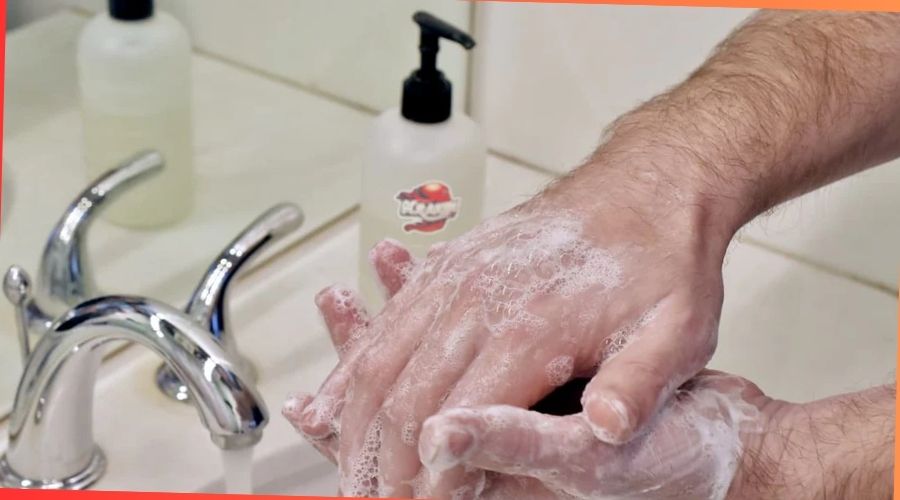
Start with soap and warm water. This method works best if the foam is still wet. Gently wash the affected area with plenty of soap and warm water. Use a soft cloth or sponge to help remove the foam. Rinse thoroughly and repeat if needed. This method is gentle and safe for most skin types.
Use Of Acetone
Acetone can dissolve spray foam but use it carefully. It works well on dried foam. Apply a small amount of acetone on a cotton ball or cloth. Rub the foam area gently without pressing hard. Avoid acetone on sensitive or broken skin. Wash the area with soap and water after use to remove residue.
Applying Oil-based Products
Oil-based products like baby oil or cooking oil soften the foam. Apply a small amount to the skin and rub gently. The oil helps break down the foam’s stickiness. After softening, use soap and warm water to wash off. This method is gentle and reduces skin dryness or irritation.

Credit: www.youtube.com
Handling Dried Spray Foam
Dried spray foam on skin can be tough to remove. It hardens quickly and sticks firmly. Handling it needs care to avoid skin damage. Using the right methods helps prevent irritation and pain. Act gently and patiently for the best results.
Gentle Scraping Techniques
Start by softening the foam with warm water. Use a soft cloth or sponge to dampen the area. Then, gently scrape with a plastic scraper or fingernail. Avoid using sharp tools that can cut your skin. Work slowly and carefully to peel off the foam. Repeat the process if needed until most foam is removed.
Moisturizing After Removal
After scraping, wash the skin with mild soap and water. Pat dry with a soft towel. Apply a gentle moisturizer to soothe and hydrate the skin. Moisturizing helps reduce dryness and redness. Use a fragrance-free lotion to avoid irritation. Keep the skin moisturized for a few days after removal.
Products To Avoid
Removing spray foam insulation from your skin needs care and the right approach. Some products can harm your skin or make the problem worse. Avoid these products to keep your skin safe and to remove foam effectively.
Harsh Chemicals
Harsh chemicals like acetone or paint thinner can irritate your skin. They dry out your skin and cause redness or burns. These substances can also make foam stick harder. Use gentle cleaners or soap instead. Protect your skin from damage while cleaning.
Excessive Scrubbing
Scrubbing too hard can hurt your skin. It may cause scratches, redness, and pain. Foam can be sticky, but rubbing aggressively does not help. Use soft cloths and gentle motions. Let cleaning products work before trying again. Treat your skin with care to avoid injury.
Preventing Skin Contact
Preventing spray foam insulation from touching your skin is key. It avoids irritation and tough cleanup. Taking steps before starting protects your skin well. Simple habits can make a big difference in safety.
Proper Protective Gear
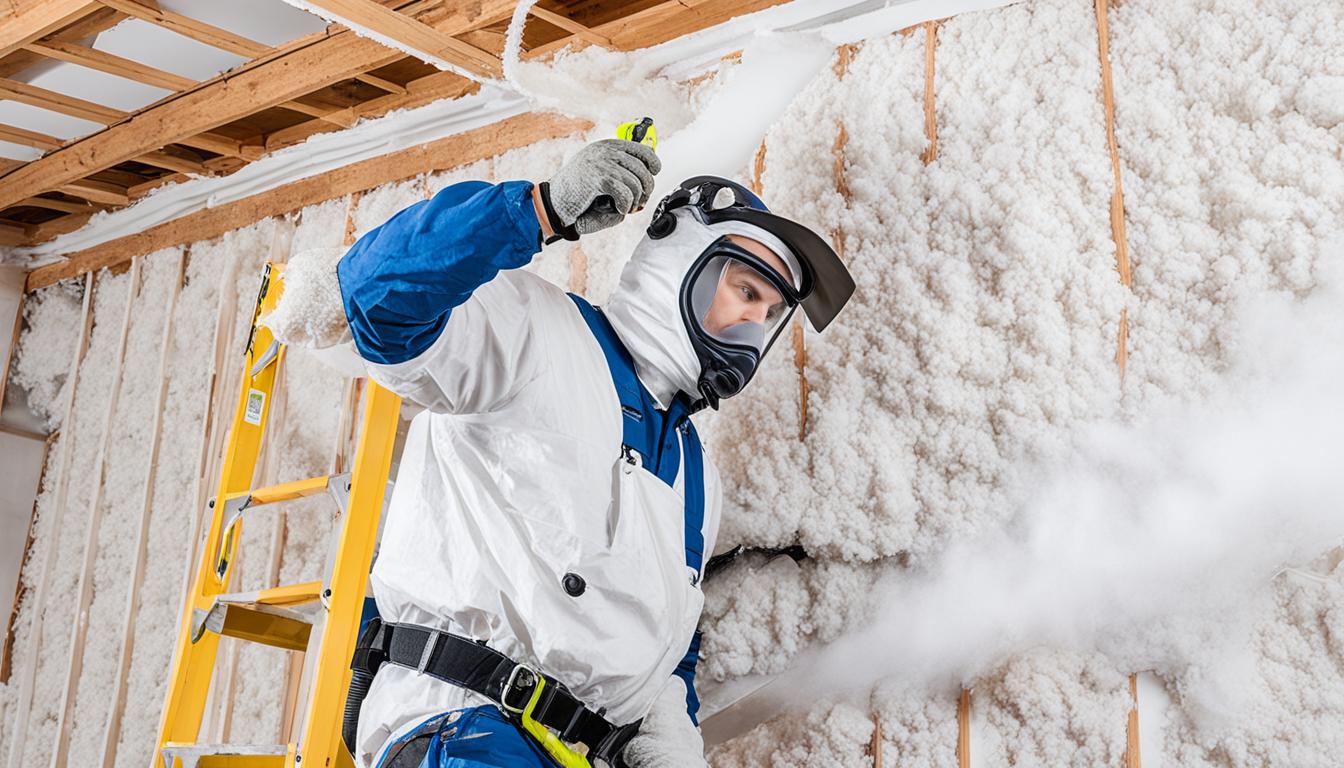
Wear long sleeves and pants to cover your skin. Use gloves made from nitrile or latex to guard your hands. Safety goggles stop the foam from hitting your eyes. A face mask helps prevent breathing in fumes. Dressing right reduces the risk of skin contact greatly.
Safe Application Practices
Apply spray foam slowly and carefully. Keep the nozzle pointed away from your body. Work in a well-ventilated area to avoid buildup of fumes. Clean any small spots on your skin immediately. Following these steps helps keep your skin safe and clean.
When To Seek Medical Help
Spray foam insulation can stick to your skin and cause discomfort. Most mild cases improve with home care. Yet, some situations need medical attention to avoid harm. Knowing when to seek help protects your health and prevents serious problems.
Signs Of Allergic Reactions
Watch for redness, swelling, or itching that spreads fast. Hives or blisters may appear on the skin. Difficulty breathing or tightness in the throat are urgent signs. Dizziness or feeling faint means you should get help immediately. These symptoms show an allergic reaction that needs medical care.
Persistent Skin Irritation
If redness or rash lasts more than a day, consult a doctor. Burning or pain that does not improve requires professional advice. Peeling or cracking skin may signal deeper damage. Do not ignore persistent irritation after cleaning the foam off. A healthcare provider can offer treatment to soothe and heal your skin.

Credit: sprayman.co
Frequently Asked Questions
How Quickly Should I Remove Spray Foam From Skin?
Remove spray foam immediately after contact. Fresh foam is easier to clean. Use acetone or soap and water quickly. Delayed cleaning allows foam to harden, making removal difficult and painful.
What Household Items Remove Spray Foam From Skin?
Acetone-based nail polish remover works well. Soap and warm water can help if foam is fresh. Avoid harsh scrubbing to prevent skin irritation. Use a pumice stone gently for hardened foam.
Is It Safe To Use Acetone On Skin?
Acetone is safe in small amounts but can dry skin. Use sparingly and rinse skin thoroughly after use. Avoid open wounds or sensitive areas. Moisturize skin afterward to prevent dryness and irritation.
Can Hardened Spray Foam Be Removed From Skin?
Hardened spray foam is tough to remove. Gently use a pumice stone or scrub with warm, soapy water. Avoid harsh chemicals that damage skin. Patience and gentle exfoliation are key.
Conclusion
Spray foam on your skin can be tricky to remove. Act quickly before it hardens. Use soap, water, and gentle scrubbing to clean the area. Avoid harsh chemicals that might hurt your skin. Patience helps as the foam loosens over time.
Protect your skin next time with gloves and long sleeves. Taking quick steps keeps your skin safe and clean. Remember, safety first when working with spray foam.