
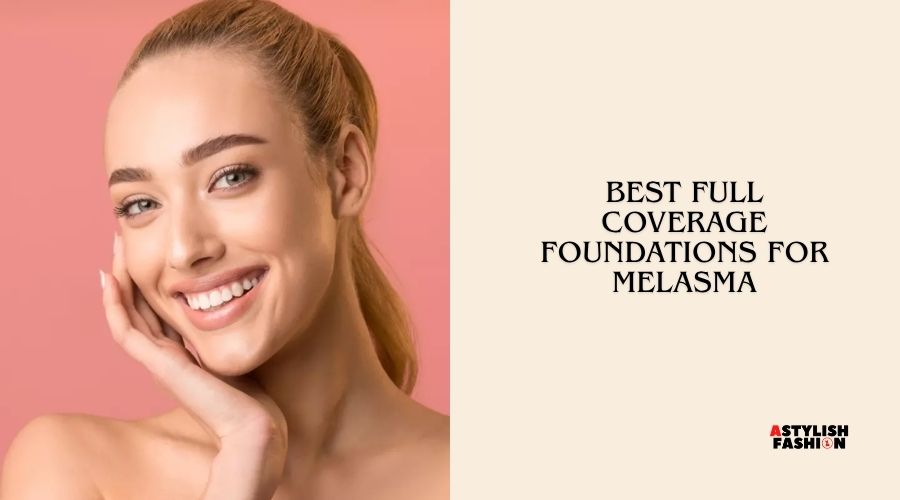
Finding the right makeup when you deal with melasma can feel like an endless search. You need enough pigment to hide stubborn dark patches, but you don’t want a heavy, cakey finish that settles into your skin. The Best Full Coverage Foundations For Melasma should offer high-performance pigment while feeling comfortable for daily wear. These recommendations help you decide which formula fits your skin type and lifestyle needs.
The Winners
7 Best Full Coverage Foundations For Melasma In 2026
1. Dermacol Full Coverage Tattoo Cover Matte Foundation SPF 30

Best for: Someone needing extreme coverage for deep discoloration.
This foundation is designed for heavy-duty tasks, including covering tattoos and surgical bruising. Because it’s a high-pigment liquid, a little goes a long way, which means your tube will last through many applications. It provides a reliable matte finish that stays put, making it a strong choice if you struggle with melasma patches that are hard to mask with lighter products.
The formula does not contain preservatives or harmful chemicals. However, because the coverage is so intense, it may feel too heavy for someone who prefers a “no-makeup” look or very sheer coverage. It’s a dedicated solution for those who prioritize total concealment above all else.
Pros
- Provides extreme, full-coverage results.
- Waterproof and long-lasting formula.
- Contains no preservatives or chemicals.
Cons
- May feel heavy for daily light wear.
- High pigment requires careful blending.
2. Easydew Mela B Toning Ampoule Cushion Foundation (#21 Beige)
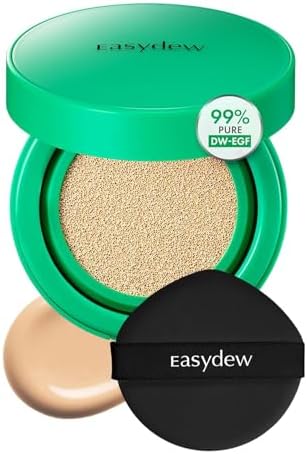
Best for: Users who want skincare benefits alongside their coverage.
This cushion foundation stands out because it’s infused with ampoule-based skincare ingredients. By combining 99%-pure DW-EGF peptide and Niacinamide with your foundation, it works to improve skin texture while you wear it. The cushion format makes it very easy to touch up your makeup throughout the day, which is helpful if your melasma coverage needs a quick refresh.
The finish is designed to be buildable, meaning you can apply a thin layer for a natural look or add more where you have darker spots. It isn’t ideal for those who prefer traditional pump-bottle foundations or those who dislike the feel of a cushion puff applicator. It suits someone who wants a moisture-rich, radiant finish rather than a flat matte look.
Pros
- Includes skincare ingredients like Niacinamide.
- Convenient, refillable cushion compact design.
- Buildable coverage for a natural finish.
Cons
- Cushion format may not suit everyone.
- Limited to specific cushion application method.
3. Tarte Face Tape Foundation

Best for: People who need hydration and a smooth finish.
This foundation uses “tape technology” to help blur the look of pores and fine lines, which can be very helpful if your skin has uneven texture. It’s packed with nourishing ingredients like snow mushroom and hyaluronic acid, ensuring that your skin stays hydrated even under a full-coverage layer. The result is a natural matte finish that avoids looking dry or chalky.
While it’s excellent for smoothing out imperfections, it’s a specific matte formula. If you prefer a very dewy, oily-looking finish, this might not meet your expectations. It’s a great pick for those who want a long-wear product that provides 12-hour coverage.
Pros
- Hydrating formula with hyaluronic acid.
- Smooths texture and blurs pores.
- Waterproof and transfer-proof performance.
Cons
- Matte finish may not suit dewy-skin lovers.
- Requires a specific application technique for smoothness.
4. Milani Conceal + Perfect 2-in-1 Foundation + Concealer 02A-Creamy Natural

Best for: Someone wanting a simple, two-in-one routine.
This product acts as both a foundation and a concealer, making it a great time-saver for busy mornings. It’s designed to combat redness and under-eye circles, which makes it effective for evening out the skin tone when melasma patches are present. The formula is water-resistant, helping it stay in place even if you have a long day ahead.
With 45 shades available, it’s one of the more inclusive options for finding an exact match for your skin tone. It isn’t the best choice if you’re looking for a highly specialized skincare-infused foundation, as this is primarily a color-correcting makeup product. It’s a straightforward, reliable workhorse for a flawless canvas.
Pros
- Combines foundation and concealer in one.
- Wide range of 45 different shades.
- Water-resistant for all-day wear.
Cons
- Primarily makeup, lacks active skincare treatment.
- Needs careful blending for a natural look.
5. Maybelline Super Stay Lumi-Matte Foundation

Best for: Those who want a long-wearing, lightweight finish.
This foundation offers an impressive 30-hour wear time while maintaining a “light as air” feel. It’s formulated with amino acids to provide a matte finish that still has a hint of luminosity, preventing the skin from looking flat or dull. It’s a great option if you want full coverage that doesn’t feel like you’re wearing a heavy mask.
The formula is built to resist sweat, water, and transfer, making it very durable for active days. It isn’t the best option if you prefer a traditional heavy-duty cream foundation, as the texture is designed to be lightweight. It’s a modern choice for those who value both longevity and comfort.
Pros
- Very long-wear performance up to 30 hours.
- Lightweight, breathable, and buildable coverage.
- Resists sweat, water, and makeup transfer.
Cons
- Luminous matte finish might be too shiny.
- Not a heavy-duty cream formula.
6. Covergirl Outlast Extreme Wear 3-in-1 Full Coverage Liquid Foundation

Best for: Someone who needs built-in sun protection.
This 3-in-1 foundation acts as a primer, concealer, and foundation all at once. Because it includes SPF 18, it offers basic protection from the elements, which is a helpful feature for anyone concerned about sun exposure worsening their melasma. It’s designed to be comfortable and lightweight, avoiding the caking that can happen with thicker products.
It provides up to 24 hours of wear and is humidity-proof, making it a solid choice for warmer climates. However, the SPF 18 is a lower level of protection than some dedicated sunscreens, so it shouldn’t replace your main daily sunblock. It’s best for those who want a quick, easy, and reliable coverage solution.
Pros
- Includes SPF 18 for basic protection.
- 3-in-1 formula saves time and steps.
- Humidity-proof and comfortable for long wear.
Cons
- SPF level is relatively low.
- Doesn’t offer the heaviest pigment levels.
7. UCANBE 2-in-1 Foundation + Concealer
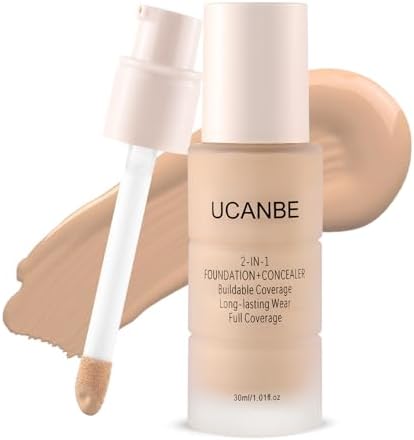
Best for: Travelers who want an all-in-one tool.
This foundation features a unique dual-applicator design, including a built-in angled brush for precise spot concealing. This makes it perfect for targeting specific melasma patches without having to carry extra brushes or sponges. The formula is infused with six types of hyaluronic acid, vitamin C, and vitamin E to hydrate the skin.
It’s designed to be waterproof and sweat-resistant, making it a durable choice for long days. It isn’t ideal if you prefer a traditional bottle or tube, as the built-in brush system is the main feature. This is a highly functional, all-in-one product for someone who wants professional-looking results on the go.
Pros
- Includes built-in angled bristle brush.
- Infused with hyaluronic acid and vitamins.
- Waterproof and sweat-resistant formula.
Cons
- Unique applicator may have a learning curve.
- Only 8 shades available for selection.
Best Full Coverage Foundations For Melasma: How to Choose
Coverage Needs
When dealing with melasma, your primary goal is to hide dark patches without creating a mask-like effect. You should look for buildable coverage. This allows you to apply a light layer over your whole face and then add extra product only where you have darker spots. Avoid foundations that are too thin, as they won’t cover the discoloration, but also avoid formulas that are too thick, as they can look unnatural and settle into fine lines.
Texture and Finish
The finish of the foundation matters for how your skin looks throughout the day. Matte finishes are generally better at hiding imperfections because they don’t reflect light off the uneven texture of dark spots. However, if your skin is dry, a matte foundation can look chalky. A luminous-matte or hydrating-matte finish is often the best middle ground, as it provides the coverage you need while keeping the skin looking healthy and fresh rather than flat.
Long-Wear Durability
Because melasma patches are a consistent concern, you need a foundation that stays in place. Look for labels that mention transfer-proof, sweat-proof, or water-resistant qualities. These features ensure that your makeup doesn’t fade or “slide off” during the day, which would reveal the spots you’re trying to cover. If you live in a humid area, this is even more critical for a consistent look.
Skin-Friendly Ingredients
Since you’ll likely wear this foundation daily, check the ingredient list for hydrating or soothing components. Ingredients like hyaluronic acid, niacinamide, or vitamins can help your skin feel comfortable rather than dry or irritated. Avoid products with heavy fragrances if you have sensitive skin, as daily use can sometimes lead to breakouts or redness that only makes your skin tone look more uneven.
Application Tools
Consider how you prefer to apply your makeup. A cushion compact is a portable option to touch up melasma coverage on the go, while a pump bottle is often used with a brush or sponge at home. If you aren’t great at blending, look for products that come with their own applicators, as these are often calibrated to work best with that specific formula.
Choose your foundation based on your specific daily routine and skin type. If you have dry skin, look for foundations with added moisture. Always test your shade in natural light to ensure the most seamless match.
Common Mistakes to Avoid When Buying the Full Coverage Foundations For Melasma
Ignoring Undertones
A common mistake is focusing only on the darkness of the shade and ignoring the undertone. If you have a cool undertone and buy a warm, yellow-based foundation, your skin will look off-color, and the melasma patches may actually look more prominent or “grey.” Always check if the brand offers cool, warm, or neutral options. A perfect match for your undertone is just as important as the depth of the color for creating a natural, invisible finish.
Over-Applying Product
Many people think that more foundation equals better coverage. In reality, applying a thick layer of makeup often causes it to crack or “cake” within a few hours. Instead of using one heavy layer, use a color-correcting technique or build the coverage in thin, light layers. This ensures that the product adheres to the skin properly and lasts longer without looking like heavy makeup. Less is usually more when trying to achieve a natural look.
Neglecting Sun Protection
Melasma is often triggered or worsened by UV exposure. A common error is assuming that your foundation’s SPF is enough to protect your skin. Unless you’re applying a very thick layer of foundation—which you shouldn’t be—you aren’t getting the full SPF protection listed on the bottle. Always wear a dedicated broad-spectrum sunscreen underneath your foundation. This is the most important step to prevent your melasma from getting darker.
Skipping a Primer
If you have uneven skin texture, skipping a primer is a mistake. A good primer creates a smooth surface for your foundation to sit on, preventing it from sinking into pores or highlighting dry patches. For melasma, a smoothing primer can help the foundation glide over the skin without grabbing onto the darker areas. It acts as a barrier that keeps your makeup looking fresh and consistent all day long.
Buying Based on Hype
It’s easy to get caught up in popular trends, but a foundation that works for someone else might not work for your specific skin type. Avoid buying a product just because it’s popular. Look at the formulation and specific features like hydration, oil control, or long-wear capabilities. Your skin’s specific needs—whether it’s oily, dry, or sensitive—should always come first to ensure you get the best result.
Avoid these mistakes by focusing on your unique skin needs. Prioritize sun protection and the right undertone to ensure your makeup improves your look rather than drawing attention to the areas you want to cover.
FAQ
Can I use a regular foundation if I have melasma?
Yes, but you may need to layer it or use a color-corrector underneath to fully mask the dark spots. High-coverage foundations specifically designed for discoloration are usually more efficient at hiding patches in a single step.
Does a full-coverage foundation feel heavy on the skin?
Modern formulas are designed to be lightweight and breathable. If you choose a high-quality product, you should be able to get full coverage without feeling like you’re wearing a heavy mask.
How do I make sure my foundation doesn’t look cakey?
The key is to apply thin, buildable layers and use a high-quality blending tool like a sponge or brush. Always ensure your skin is well-moisturized before application so the product doesn’t cling to dry patches.
Is it okay to wear full-coverage foundation every day?
Yes, as long as you properly cleanse your skin every night to remove all makeup. Choosing a formula with skincare benefits can help keep your skin hydrated with daily use.
Should I use a separate concealer with these foundations?
Many of these foundations are designed to be used as both foundation and concealer. However, for very stubborn melasma patches, you might still want a touch of extra concealer specifically on that spot before applying your foundation.
Conclusion
The best foundation for melasma is one that balances high pigment with a comfortable, long-lasting finish. By choosing a formula that matches your skin’s specific needs—whether that’s extra hydration, oil control, or sun protection—you can achieve a flawless and even complexion every day.