
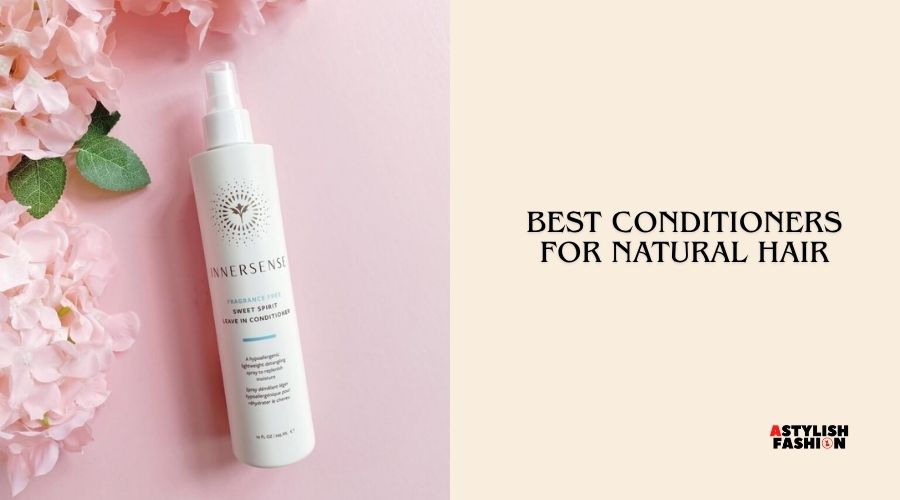
Finding the right care for your texture can feel like a full-time job. With so many options available, picking the best conditioners for natural hair often comes down to knowing exactly what your strands need—whether that’s intense moisture, protein, or lightweight detangling. This guide helps you cut through the marketing noise to find a match for your specific hair goals.
Our Picks
10 Best Conditioners For Natural Hair Of 2026
1. Carol’s Daughter Black Vanilla Moisture Sulfate Free Conditioner

Best for: Daily moisture for all curly and wavy hair types.
Among the best conditioners for natural hair, this rich formula detangles and smooths while providing intense moisture and shine. Using Shea Butter, Vanilla, and Lavender, it revives dry, brittle hair and works for curl patterns from 2A to 4C.
Because it can be used daily or as a co-wash, it’s a great staple for those who wash frequently. However, if you’re looking for a heavy-duty protein treatment for severe damage, this formula is focused more on daily hydration than structural repair.
Pros
- Detangles and smooths wet hair.
- Works on all curl types.
- Can be used as co-wash.
Cons
- Not a specialized protein treatment.
2. Cantu Shea Butter Conditioner

Best for: Protection and moisture for coils and curls.
Formulated with pure shea butter, this conditioner focuses on replenishing moisture and protecting the hair’s vital natural oils after cleansing. It’s a reliable choice for those who want to prevent breakage while keeping their routine simple and free of harsh additives.
This product is free from mineral oil, sulfates, parabens, and silicones, which is a major plus for those avoiding specific ingredients. It’s well-suited for types 2, 3, and 4, but if you prefer a formula packed with complex botanical oils, you might find this one more straightforward than others.
Pros
- Free from harsh ingredients.
- Prevents hair breakage effectively.
- Cruelty-free formula.
Cons
- Simple ingredient profile.
3. Carol’s Daughter Coco Creme

Best for: Extremely dry and thirsty curls.
This conditioner is specifically crafted to quench the thirst of extremely dry hair. By using a blend of Mango Seed Butter, Shea Butter, and Coconut Oil, it provides an intense moisture boost to help restore shine and softness to even the most parched coils.
It’s a great choice for those who feel their hair is chronically dry, regardless of their curl pattern. Because it’s designed for extreme moisture, it might feel too heavy for those with fine, loose waves who prefer a lighter touch.
Pros
- Provides intense, deep moisture.
- Restores shine to dry hair.
- Paraben-free creamy formula.
Cons
- May be heavy for fine hair.
4. Carol’s Daughter Goddess Strength Fortifying Conditioner

Best for: Strengthening weak or breakage-prone hair.
If your hair is prone to breakage, this fortifying conditioner uses Castor Oil, Black Cumin Seed Oil, and Ginger to help strengthen strands from root to tip. It’s designed to make detangling easier, which directly helps in maintaining length by reducing the mechanical stress on your hair.
This is a targeted treatment for those who see significant shedding or breakage. If your hair is already healthy and strong, you might find that a purely moisturizing conditioner better serves your daily needs than this fortifying blend.
Pros
- Reduces hair breakage significantly.
- Makes detangling much easier.
- Sulfate-free strengthening formula.
Cons
- Specifically for weak hair.
5. PATTERN Leave-In Conditioner 3 fl oz

Best for: Defining curls while on the go.
This leave-in treatment is a versatile tool that seals in moisture and acts as a moisture-rich detangler. It features a robust blend of eight oils, including Jojoba, Avocado, and Argan, which helps add hydration without weighing down your curls.
The 3 fl oz size makes it perfect for travel or gym bags, ensuring your routine remains consistent wherever you are. It’s a great choice for those who need a flexible product that works well under gels or creams, though it’s intended as a leave-in rather than a rinse-out deep conditioner.
Pros
- TSA-friendly travel size.
- Contains eight nourishing oils.
- Lightweight hydration formula.
Cons
- Not a rinse-out conditioner.
6. PURA D’OR Deep Moisturizing Biotin Conditioner
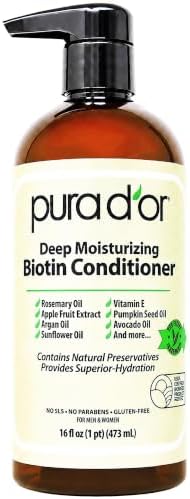
Best for: Improving overall scalp health.
This conditioner targets the source of many hair issues by addressing a dry, damaged scalp. Using a blend of botanical ingredients, including Argan Oil, it helps refortify the hair shaft while creating a protective barrier against environmental stressors that lead to breakage.
It’s an excellent choice for anyone struggling with scalp dryness alongside hair damage. Because it’s focused on scalp recovery, it’s best suited for those who find that traditional conditioners ignore their skin-level needs.
Pros
- Addresses dry scalp issues.
- Protects against environmental damage.
- Detangles and reduces frizz.
Cons
- Primarily a scalp-focused treatment.
7. California Naturals Classic Clean Toasted Coconut Conditioner with Coconut Milk
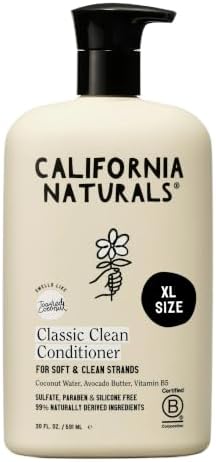
Best for: Lightweight, daily conditioning.
This conditioner provides deep hydration without the weight, making it a fantastic option for those who want soft, manageable hair without silicones or buildup. It uses a coconut milk and Vitamin B5 blend to improve elasticity and reduce split ends.
It’s a vegan and cruelty-free option that works for all hair types. If you have very coarse or high-porosity hair that requires heavy, buttery products to stay moisturized, you may find this lightweight formula needs to be layered with other products.
Pros
- Conditions without heavy buildup.
- Vegan and cruelty-free.
- Improves hair elasticity.
Cons
- May be too light for coarse hair.
8. Aunt Jackie’s Curls and Coils Quench Moisture Intensive Leave-In Hair

Best for: Adding slip to tangled hair.
Designed as a moisture-intensive leave-in, this product is famous for providing great slip to the thirstiest hair. Enriched with shea butter, olive oil, and marshmallow root, it helps eliminate dryness without leaving a heavy, greasy feel on the hair.
This is a go-to for those who struggle with knots and tangles, as the slip makes combing much easier. It’s a leave-in, so it’s meant to stay in the hair to provide lasting moisture throughout the day.
Pros
- Excellent slip for detangling.
- Lightweight moisture feel.
- Enriched with natural oils.
Cons
- Not a rinse-out conditioner.
9. OKAY Black Jamaican Castor Oil Leave In Conditioner

Best for: Promoting growth and smooth texture.
Infused with Jamaican Black Castor Seed Oil, Shea Butter, and Argan Oil, this leave-in conditioner is a powerhouse for dry, damaged hair. It’s formulated to enhance blood circulation to the scalp while providing the nutrients needed for healthy growth.
This is ideal for those who want a leave-in that also supports scalp health and growth. Because it contains castor oil, it has a rich profile that’s best for those who need extra smoothing and moisture for their curls.
Pros
- Supports healthy hair growth.
- Moisturizes and smooths texture.
- Contains Vitamin E and Omegas.
Cons
- Requires consistent use for results.
10. Thank tgin CPR Protein Treatment

Best for: Restoring protein to damaged strands.
This treatment is designed to restore protein to hair that has been compromised by heat, color, or excessive styling. By strengthening the hair from the inside out, it helps reduce shedding and breakage, promoting a healthier overall head of hair.
It’s important to use this only every 4 to 6 weeks, as protein treatments can make hair feel brittle if not balanced with moisture. This is a specialized tool, not a daily conditioner, and it’s best used alongside a hydrating mask.
Pros
- Restores structural protein.
- Reduces shedding and breakage.
- Strengthens damaged hair.
Cons
- Must be used sparingly.
Choosing the Best Conditioners for Natural Hair
Understand Your Porosity
Knowing your hair’s porosity is the first step in picking the right conditioner. Low-porosity hair often struggles to absorb moisture, so lightweight formulas like those with coconut milk or lighter oils are better. High-porosity hair, on the other hand, absorbs moisture quickly but loses it just as fast, meaning it needs thicker, oil-rich products to seal the cuticle and lock that hydration in. Always check the ingredients for heavy butters versus light oils to ensure the formula matches your hair’s ability to hold onto moisture.
Identify Your Specific Goal
Are you dealing with breakage, dryness, or a lack of definition? If you have weak hair, look for fortifying ingredients like Castor Oil or protein-rich treatments. If your main issue is dryness, focus on moisture-intensive formulas with Shea Butter or Coconut oil. Strengthening products can make hair feel brittle if used too often without deep moisture. Clearly defining whether your primary need is repair or hydration will help you narrow down your choices significantly.
Consider Your Routine
How often do you wash your hair? If you’re a daily washer, a lighter, everyday conditioner is your best friend. If you prefer to wash once a week, you need a deep-conditioning mask or a heavy-duty rinse-out formula that can provide long-lasting benefits. Leave-in conditioners are also a great addition for those who need extra detangling help throughout the week. Think about your lifestyle and how much time you want to spend on your hair care routine. the listing doesn’t mention rinse difficulty or processing time
Check for Ingredient Sensitivity
Natural hair often thrives when you avoid harsh chemicals like sulfates, parabens, and silicones. These ingredients can strip the hair of its natural oils or cause buildup, making it harder for future products to penetrate. When comparing products, look for labels that explicitly state they’re free from these additives. This is especially important if you have a sensitive scalp or if you notice your hair feeling “coated” or dull after using certain products. Prioritizing clean, nourishing ingredients will help maintain the long-term health and shine of your natural hair.
Balance Protein and Moisture
One of the biggest mistakes in hair care is failing to maintain the protein-moisture balance. Protein treatments are essential for repairing damage, but they should be used sparingly. If your hair feels mushy or lacks elasticity, it needs protein. If it feels stiff, snaps easily, or looks straw-like, it likely needs more moisture. Always ensure your collection includes both a strong moisturizing conditioner for regular use and a protein treatment for occasional repair. Never rely on a single product to do everything; having a balanced “closet” of products allows you to adjust your routine based on how your hair feels on any given day.
Common Mistakes to Avoid When Buying the Conditioners For Natural Hair
Ignoring Scalp Health
Many people focus entirely on the hair strands and completely forget about the scalp. A dry, itchy, or unhealthy scalp can lead to breakage and thinning, regardless of how much moisture you put on the ends of your hair. When choosing a conditioner, look for ingredients that soothe the skin, such as tea tree oil or botanical extracts. A healthy scalp is the foundation for healthy hair growth, and ignoring it’s a quick way to stall your progress.
Overloading on Protein
It’s a common temptation to think that more protein equals stronger hair, but this is a major mistake. Protein overload makes hair stiff, brittle, and prone to snapping. Always check how often you should use a treatment; if a product is labeled as a protein reconstructor, it isn’t meant to be used every time you wash. If you find your hair suddenly feels different or less manageable after using a new product, check the label for proteins like keratin or hydrolyzed wheat protein. If you’re using these too frequently, switch back to a purely moisturizing formula for a few weeks to restore balance.
Prioritizing Fragrance Over Ingredients
Instead of picking a product just because it smells like “vacation,” look at the first five ingredients on the list. These are the most concentrated parts of the formula. Always prioritize the ingredient list over the scent to ensure you’re truly nourishing your hair.
Using the Wrong Type for Your Texture
A product that works wonders for a friend with 3A curls might be completely ineffective for someone with 4C coils. Texture matters. Coarser, tighter textures often need much thicker, more concentrated products to see results, while looser, finer textures might find those same products too heavy. Don’t buy a product just because it’s popular; buy it because it’s specifically suited for your curl pattern. If a product leaves your hair feeling greasy or weighed down, it’s likely too heavy for your texture. If it feels like it isn’t doing anything, you may need something richer.
Buying Without Considering Build-up
Some products are designed to be left in, while others are meant to be washed out. Using a rich, heavy deep conditioner as a daily leave-in will lead to product build-up, which can make your hair look dull and feel sticky. Always follow the instructions on the label. If a product is meant to be rinsed, rinse it thoroughly. If you’re using a leave-in, apply it sparingly until you know how your hair reacts. Avoiding build-up is key to keeping your hair looking fresh and bouncy between wash days.
FAQ
How often should I use a deep conditioner?
Most people with natural hair benefit from deep conditioning once a week. If your hair is very dry or damaged, you might do it more often, but always watch for signs of protein overload.
Can I use a leave-in conditioner every day?
Yes, you can use a leave-in conditioner daily to refresh your curls and add moisture. Just be careful not to apply too much, as this can cause product build-up.
What is the difference between a conditioner and a protein treatment?
A standard conditioner is designed to hydrate and soften the hair, while a protein treatment is designed to repair and strengthen the hair structure. You need both for a healthy routine.
Why does my hair still feel dry even after conditioning?
You might have high-porosity hair that loses moisture quickly, or you might be using a product that isn’t rich enough for your specific texture. Try sealing your moisture with a heavier oil or butter after conditioning.
Are sulfate-free conditioners better for natural hair?
Yes, sulfate-free formulas are generally preferred because they don’t strip away the natural oils that your hair needs to stay healthy and moisturized.
Conclusion
The best conditioner for your natural hair is one that balances your specific need for moisture, strength, or scalp health. By understanding your hair’s porosity and texture, you can choose a product that supports your goals rather than working against them.
Final Thoughts
Once you’ve picked a new product, don’t be afraid to experiment with how you apply it. Try using a wide-tooth comb in the shower to distribute the formula evenly from root to tip. You’ll soon see how much healthier your curls look when they’re finally getting the consistent hydration they’ve been craving.