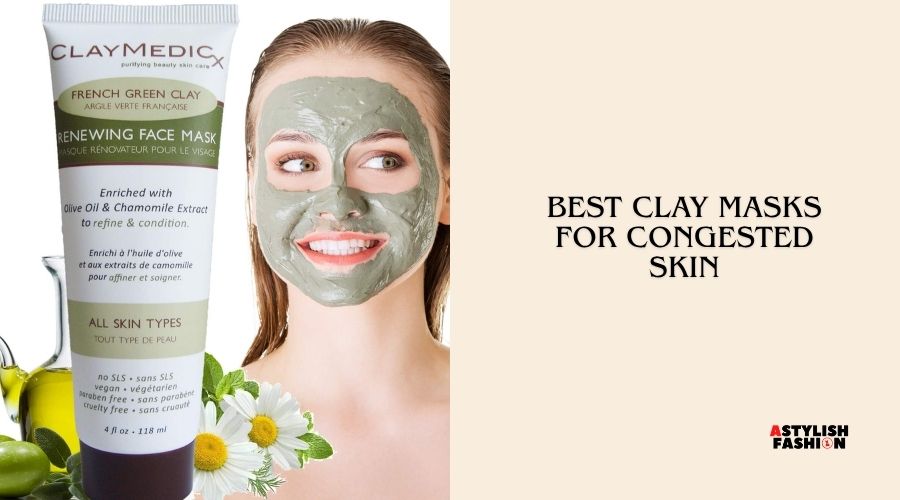
Finding the right clay mask for congested skin can feel like a guessing game. With so many options, it’s hard to know which formula will clear your pores without leaving your face feeling tight or stripped. This guide breaks down the best Best Clay Masks For Congested Skin options to help you choose the right one for your specific needs. We have compared the top choices so you can make an informed decision and get the clear, smooth skin you want.
The Winners
Top 10 Clay Masks For Congested Skin Of 2026
1. The Ordinary Salicylic Acid 2% Masque

Best for: Those needing deep pore exfoliation and congestion relief.
This mask uses 2% salicylic acid to target stubborn congestion by clearing out dead skin cells and excess oil. It’s infused with charcoal and kaolin clay, a combination designed to absorb impurities and leave your skin feeling refreshed.
Pros
- Contains 2% salicylic acid for exfoliation.
- Charcoal and clay absorb deep impurities.
- Vegan and cruelty-free formula.
Cons
- May be too strong for dry skin.
- Requires careful use on sensitive areas.
2. La Roche-Posay Effaclar Clay Face Mask

Best for: Oily skin types needing a matte finish.
This is a 2-in-1 purifying mask that works as both a deep cleanser and a skin mattifier. It uses kaolin clay to remove excess oil and clear away invisible impurities like dust and pollution.
The formula is designed to keep your skin matte for longer, which is a great help if you struggle with mid-day shine. It has been tested on acne-prone skin, providing reassurance for those worried about breakouts. This mask isn’t for those who want a hydrating treatment, as its primary goal is to control oil and refine the appearance of pores.
Pros
- Effectively removes excess oil and shine.
- Refines the appearance of pores.
- Tested on acne-prone skin.
Cons
- Primarily for oil control, not hydration.
- Requires consistent weekly use for results.
3. Kiehl’s – Rare Earth Clay Face Mask – Minimizes Pores

Best for: Someone wanting to minimize the appearance of pores.
This mask features a 99% Hydro-Activated Clay blend, including Amazonian White Clay and Bentonite clay. These ingredients work to detoxify the skin and draw out excess oil without stripping away essential moisture.
The addition of Aloe Vera helps soothe the skin, which is a nice touch if you find that other clay masks leave your face feeling tight or dry. It’s suitable for all skin types, including sensitive skin, because it balances purification with recovery.
Pros
- Contains soothing Aloe Vera.
- Suitable for all skin types.
- Proven results in pore reduction.
Cons
- Takes time to show texture improvement.
- Not a spot treatment for breakouts.
4. TULA Detox in a Jar Clay Treatment Mask

Best for: Addressing uneven skin texture and congestion.
This mask is designed to reset your skin after a busy week by purifying pores without causing dryness. It uses Bentonite clay combined with exfoliating volcanic sand to smooth out uneven patches and remove stubborn buildup.
Pros
- Uses volcanic sand for physical exfoliation.
- Includes prebiotics to support skin barrier.
- Leaves skin soft, not tight.
Cons
- Physical scrub may irritate very sensitive skin.
- Requires manual massaging during removal.
5. SKINTIFIC Deep Pore Cleansing Blackhead Remover Face Mask Stick

Best for: Those who want a mess-free, targeted application.
This mask comes in a convenient twist-up stick format, which makes it incredibly easy to apply to specific areas like the T-zone without getting your hands dirty. It uses Alaska Volcanic Clay and 5% Glycolic Acid to dissolve dead cells and clear blackheads.
The formula is designed to dry 50% faster than traditional jar masks, perfect for a quick, spa-level routine. It’s clinically tested for all skin types, including sensitive skin, and helps refine texture after just one use.
Pros
- Mess-free stick application.
- Contains 5% glycolic acid.
- Fast drying time.
Cons
- Stick format can be harder to spread evenly.
- Small amount of product per container.
6. Aztec Secret– Indian Healing Clay 16 Oz

Best for: Those who want a natural, customizable powder mask.
This is a 100% natural Calcium Bentonite Clay that comes in powder form. You mix it yourself, usually with apple cider vinegar, to create a deep-cleansing paste that can be used on the face, body, or even as a hair mask.
Pros
- Pure, natural, and preservative-free.
- Extremely versatile for body and hair.
Cons
- Requires mixing before use.
- Can cause temporary redness after removal.
7. EXPRESSIONS WELLNESS Mud Mask

Best for: People with acne-prone skin needing soothing care.
This mask combines Dead Sea Mud, Kaolin, and Manicouagan Clay to draw out impurities and tighten pores. It’s boosted with salicylic acid to dissolve pore blockages and Zinc PCA to manage sebum production.
It also contains Witch Hazel and Centella Asiatica to calm redness and irritation, which is a major benefit for those with sensitive, breakout-prone skin. It’s designed to be comfortable and non-stripping.
Pros
- Contains calming ingredients for sensitive skin.
- Targets both acne and excess oil.
- Dermatologist-tested formula.
Cons
- Longer application time needed.
- Not suitable for broken or damaged skin.
8. SKINTIFIC Mugwort Clay Stick Face Mask with Centella & Salicylic

Best for: Calming redness and irritation on the go.
This stick mask is packed with Mugwort extract, which is famous for its ability to soothe skin discomfort. It also contains salicylic acid to help remove pore buildup that leads to breakouts.
The stick format is perfect for targeted care, letting you apply the mask exactly where you need it most, like a congested nose or chin. It’s a travel-friendly way to maintain clear skin without the mess of traditional jars. This mask isn’t for those looking for an ultra-strong, heavy-duty clay mask, as its primary focus is on calming and soothing the complexion.
Pros
- Mugwort extract calms redness.
- Easy, travel-friendly stick design.
- Targeted application for T-zones.
Cons
- Lacks the intensity of stronger clay formulas.
- Smaller size than jar masks.
9. PLANTIFIQUE Korean Clay Mask

Best for: Those who want a superfood-infused, nourishing mask.
This mask blends kaolin clay with a mix of superfoods like avocado, spirulina, kale, and spinach. It’s designed to cleanse the pores while also providing hydration and supporting skin elasticity.
The inclusion of Aloe Vera and tea tree oil helps soothe redness and keep the skin feeling balanced. It’s a great choice if you want the benefits of a clay mask without the feeling of your skin being completely stripped of moisture.
Pros
- Rich in superfood nutrients.
- Hydrating and soothing formula.
- Dermatologist-tested for safety.
Cons
- Contains many botanical extracts.
- Not for those needing only basic ingredients.
10. NING Triple-Mud Mask

Best for: Sensitive skin types needing deep purification.
This mask uses a triple-mud blend of Amazon White Clay, Dead Sea Mud, and Canadian Glacial Mud to purify the skin. It’s also enriched with Panthenol and Hyaluronic Acid to ensure the skin remains hydrated and soft.
The addition of Papaya Enzyme provides gentle exfoliation, which helps improve skin texture without the need for harsh scrubbing. It’s a very well-rounded mask for anyone who wants clear skin but struggles with dryness or sensitivity.
Pros
- Includes hydrating Hyaluronic Acid.
- Gentle enzyme exfoliation.
- Safe for sensitive skin.
Cons
- Requires 15–20 minutes to work.
- Less portable than stick masks.
The Best Clay Masks for Congested Skin: How to Choose
Understand Your Skin Type
Before choosing a mask, identify if your skin is truly oily, combination, or sensitive. Oily skin can handle stronger clays like Bentonite or high concentrations of salicylic acid. If your skin is sensitive, look for masks that include soothing agents like Aloe Vera, Mugwort, or Centella Asiatica. The biggest mistake is using a heavy-duty clay mask on dry skin, which can lead to cracking and irritation. Always check if the product is dermatologist-tested or specifies that it’s non-comedogenic if you’re prone to breakouts. The right mask should balance deep cleaning with skin health.
Consider the Application Method
Think about how much time and effort you want to spend on your skincare routine. Traditional jar masks are great for a full-face spa experience, but they can be messy to apply and wash off. Stick masks offer a much cleaner, more precise application, which is perfect for targeting specific areas like your nose or forehead. If you’re always on the go, a stick mask is likely your best bet. If you enjoy the process of mixing your own treatment, a powder-based clay allows for the most customization but requires more preparation.
Look for Added Ingredients
Modern clay masks rarely contain just clay. Many now include exfoliating acids like glycolic or salicylic acid to help with cell turnover. Others focus on nourishment with superfoods, vitamins, or hyaluronic acid to prevent that “tight” feeling. If your skin is congested but also dull, look for enzymes like papaya, which gently remove dead skin cells. If your main concern is redness, seek out botanical extracts. Avoid masks with harsh fragrances or artificial dyes if your skin is reactive, as these can trigger inflammation even while the clay is trying to clear your pores.
Frequency of Use
Clay masks are powerful treatments, not daily cleansers. Most masks recommend usage 1 to 2 times per week. Using them too often can strip your skin of natural oils, leading to more oil production as your skin tries to compensate. Always follow the instructions provided for the specific mask you choose. If a mask says to leave it on for 5 minutes, don’t leave it for 20, as it will likely dry out your skin and cause redness. Start slow and see how your skin reacts before increasing the frequency of your treatments.
Mistakes to Avoid with Clay Masks
Leaving the Mask on Too Long
A common mistake is thinking that letting a clay mask dry until it cracks will give you “deeper” cleaning. In reality, once a clay mask is fully dry, it begins to draw moisture out of your skin, not just impurities. This causes the tight, uncomfortable feeling that many people associate with clay masks. Instead, aim to rinse the mask off while it’s still slightly tacky or damp to the touch. This ensures you get the purifying benefits of the clay without compromising your skin barrier. If your skin feels tight or itchy after a mask, you have likely left it on too long.
Ignoring Patch Tests
It’s easy to skip the patch test, but it’s the most important step for new products. Even if a product is labeled for sensitive skin, everyone reacts differently to ingredients like salicylic acid or essential oils. Apply a small amount of the mask to your inner arm or behind your ear and wait a full day to see if any redness or itching occurs. This simple step can save you from a full-face reaction. Never skip this if you have a history of allergies or reactive skin.
Over-Exfoliating
Some clay masks contain physical scrubs, like volcanic sand, while others contain chemical exfoliants like glycolic acid. Using these masks alongside other strong acne treatments or facial scrubs can lead to over-exfoliation. If your skin feels raw, red, or starts peeling, you’re likely doing too much. Stick to one form of exfoliation at a time. If you use a mask with salicylic acid, don’t use a harsh physical scrub on the same day. Being gentle with your skin will lead to better long-term results than trying to force it to be clear.
Misunderstanding “Purging”
Sometimes, after using a new clay mask, you might notice a few small breakouts. This is often called “purging,” where the product speeds up cell turnover and brings underlying congestion to the surface. However, if the breakouts are in areas where you don’t usually get them, or if they persist for more than a few weeks, the product might not be right for you. Don’t confuse a bad reaction with a productive purge. If your skin is consistently irritated or inflamed, stop using the product immediately and let your skin calm down before trying something else.
FAQ
Why does my skin feel red after using a clay mask?
Temporary redness is normal, especially with active ingredients like salicylic acid or strong clays like Bentonite. If the redness lasts longer than 30 minutes, you may have left the mask on too long or the product is too strong for your skin.
Should I apply moisturizer after a clay mask?
Yes, always follow up with a moisturizer. Even the most gentle clay masks remove oil, so replacing that hydration is key to keeping your skin balanced and healthy.
Can I use a clay mask if I have dry skin?
Yes, but choose a formula that’s specifically designed to be non-drying. Look for masks that include ingredients like hyaluronic acid, glycerin, or soothing botanicals to prevent tightness.
What is the best way to remove a clay mask?
The best way is to use warm water and a soft cloth or your fingers. Avoid scrubbing your face harshly, as this can irritate the skin; instead, use gentle, circular motions to lift the clay away.
Conclusion
The best clay masks for congested skin are those that balance purification with comfort. By choosing a formula that matches your skin type—whether you need deep oil control, gentle soothing, or targeted pore refinement—you can effectively clear your pores without damaging your skin. Remember to start slow, perform a patch test, and always follow up with a good moisturizer to keep your complexion healthy and clear.