
Finding the right sun protection when you deal with breakouts and irritation can feel like a constant battle. Many formulas leave your skin feeling greasy or cause new blemishes, which is the last thing you want when searching for the Best Sunscreens For Sensitive Acne Prone Skin. This guide helps you navigate the options to find a reliable product that keeps your complexion clear and protected. We have gathered the top choices to help you make an informed decision for your daily routine.
Our Picks
10 Best Sunscreens For Sensitive Acne Prone Skin Of 2026
1. EltaMD UV Clear Blemish-Prone and Oil Balancing

Best for: Those needing blemish reduction and oil control.
Among the best sunscreens for sensitive acne prone skin, this formula uses transparent Zinc Oxide for broad-spectrum protection without a white cast. With 5% Niacinamide to minimize pores and regulate sebum, it reduces blemishes and excess oil, serving as both a sunscreen and a skin treatment.
The formula is noncomedogenic, fragrance-free, and paraben-free, making it suitable for sensitive skin types. It comes in a convenient travel-size pump bottle, which is helpful if you’re often on the go. This product isn’t for those who prefer a heavy, moisturizing cream, as its primary focus is on oil balancing and a lightweight feel.
Pros
- Contains 5% Niacinamide for clearer skin
- Provides broad-spectrum SPF 50 protection
- Reduces visible blemishes and excess oil
Cons
- Specifically focused on oil-prone skin types
- Requires regular reapplication like all sunscreens
2. La Roche-Posay Anthelios Clear Skin Oil Free Face Sunscreen

Best for: Managing shine in hot and humid weather.
This sunscreen is formulated with Cell-Ox Shield technology to provide broad-spectrum protection while actively absorbing pore-clogging oil. It’s designed to reduce shine, which makes it an excellent candidate for people who struggle with a greasy complexion throughout the day. The formula is rigorously tested for skin tolerance, ensuring it remains gentle even on sensitive areas.
Because it’s oil-free and non-comedogenic, it won’t cause breakouts during daily use. It’s free of oxybenzone and fragrance, addressing common irritants for reactive skin. This product might not be the best choice if you have naturally dry skin, as its main function is to absorb oil and provide a matte finish.
Pros
- Absorbs pore-clogging oil effectively
- Provides broad-spectrum SPF 60 protection
- Fragrance-free and allergy-tested
Cons
- May be too drying for some users
- Formula is strictly matte-focused
3. La Roche Posay Anthelios UV Control Sunscreen

Best for: Soothing skin prone to rosacea and acne.
This SPF 50 sunscreen stands out because it contains Azelaic Acid, a key ingredient for those managing both acne and rosacea-prone skin. The texture is designed to be “barely-there,” meaning it blends invisibly into all skin tones without leaving a heavy residue. It provides reliable broad-spectrum protection while remaining non-comedogenic.
The exclusion of oxybenzone and octinoxate makes it a thoughtful choice for those avoiding specific chemical filters. It’s a daily-use product intended to decrease the risk of sun damage and early aging. This sunscreen isn’t ideal for those who prefer a thick, occlusive moisturizer, as it prioritizes a lightweight, invisible finish.
Pros
- Contains Azelaic Acid for skin comfort
- Blends invisibly on all skin tones
- Non-comedogenic and broad-spectrum SPF 50
Cons
- Limited to specific skin concern focus
- Doesn’t provide heavy-duty hydration
4. GOODAL Heartleaf Soothing Zinc 100 Mineral Sunscreen SPF 50
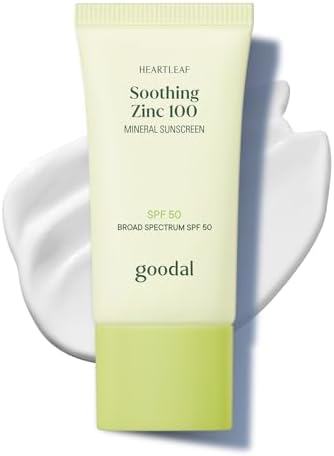
Best for: Those who want a moisturizing mineral formula.
This mineral sunscreen uses 100% zinc oxide to provide physical protection from UV rays. Unlike many traditional mineral formulas, it’s designed to feel smooth and moisturizing rather than chalky or tight on the skin. It includes Heartleaf, which helps provide a calm, skin-comforting sensation during daily wear.
Clinical testing shows it helps improve skin moisture levels, making it a great option for those who need sun protection without the dry feeling often associated with zinc. It’s non-comedogenic and suitable for sensitive, breakout-prone skin. This product may not be the right choice for users who demand a completely invisible, transparent finish, as mineral formulas can sometimes have a slight presence on the skin.
Pros
- Uses 100% zinc mineral protection
- Improves skin moisture and soothing
- Non-comedogenic and gentle formula
Cons
- Mineral formulas may show slightly
- Requires thorough blending for best look
5. Neutrogena Clear Face Sunscreen Lotion SPF 50

Best for: Active lifestyles and outdoor activities.
This facial sunscreen is specifically designed to be water-resistant for up to 80 minutes. Its lightweight, oil-free texture absorbs quickly, which is beneficial for those who apply makeup or have a busy morning routine. It provides reliable broad-spectrum SPF 50 protection while keeping pores clear and skin looking shine-free.
The formula is non-comedogenic and oxybenzone-free, supporting consistent daily use without causing breakouts. It’s a straightforward, reliable option for people who need a sunscreen that can handle workouts or outdoor exposure. This product isn’t for those looking for specialized skincare ingredients like niacinamide or antioxidants, as it focuses strictly on sun protection.
Pros
- Water-resistant for up to 80 minutes
- Lightweight and oil-free texture
- Non-comedogenic and breathable finish
Cons
- Lacks extra active skincare ingredients
- Basic formula focused on sun protection
6. ROUND LAB Birch Juice Mild-up UV LOCK SPF 50+

Best for: A satin finish without any greasy feel.
This mineral-based sunscreen uses non-nano zinc oxide to provide physical protection without causing irritation. It’s infused with Birch Sap, which helps to hydrate and strengthen the skin’s moisture barrier. The result is a soft, satin finish that works well under makeup and feels lightweight throughout the day.
It’s free of 19 harsh ingredients, including artificial fragrances and parabens, making it a solid choice for sensitive noses and reactive skin. The formula is dermatologist-tested and non-comedogenic. If you prefer a heavy, dewy glow, this might not be your favorite, as the finish is specifically designed to be satin and non-greasy.
Pros
- Infused with hydrating Birch Sap
- Non-greasy, satin finish
- Free of artificial fragrances and parabens
Cons
- Not designed for a dewy look
- Mineral-based, so requires proper blending
7. Hero Cosmetics Force Shield Superlight Sunscreen SPF 30

Best for: Priming the skin before makeup application.
This SPF 30 sunscreen features a weightless gel-cream formula that absorbs quickly into the skin. It’s designed to act as both a protector and a primer, creating a smooth, skin-like finish that won’t clog pores. It’s fragrance-free and silicone-free, which is excellent for those with sensitivities to those specific additives.
Because it’s a zinc oxide sunscreen, it provides physical blocking of UV rays. It’s easy to incorporate into a routine, as it’s meant to be the last step before starting your day. This product isn’t for those who require a higher SPF rating, as it’s limited to SPF 30.
Pros
- Smooth, skin-like finish for priming
- Fragrance-free and silicone-free
- Lightweight gel-cream texture
Cons
- Only offers SPF 30 protection
- Not as high-SPF as other options
8. Cetaphil DermaControl Oil Absorbing Moisturizer

Best for: Combining hydration and sun protection in one step.
This 4-in-1 formula is designed to hydrate, absorb oil, reduce shine, and provide sun protection simultaneously. It’s specifically formulated for those with oily and sensitive skin, ensuring that the moisturizing aspect doesn’t lead to clogged pores. It provides broad-spectrum SPF 30 and leaves a matte finish.
The product is fragrance-free and absorbs quickly, making it a convenient choice for a simplified morning routine. If you prefer to layer separate serums and moisturizers, this all-in-one approach might feel redundant. It’s recommended by the Skin Cancer Foundation, which adds a layer of trust for daily sun safety.
Pros
- 4-in-1 formula saves time
- Leaves a clean, matte finish
- Fragrance-free and non-comedogenic
Cons
- Only offers SPF 30 protection
- Not ideal for complex layering routines
9. PanOxyl Oil Control Moisturizer

Best for: Achieving a clean, matte finish.
This daytime moisturizer uses 17% zinc oxide to provide mineral broad-spectrum protection. It’s a sheer formula specifically designed to absorb excess oil and reduce shine for a clean, matte finish. Because it comes from the makers of a well-known acne wash, it’s tailored for those who are highly conscious of breakout-prone skin.
The formula is non-comedogenic and doesn’t contain chemical sunscreen active ingredients, which is a benefit for those with specific sensitivities. It’s a straightforward, functional product for daily use. It isn’t for users who prefer a chemical sunscreen or a product that offers additional brightening or anti-aging ingredients.
Pros
- Contains 17% zinc oxide for protection
- Specifically designed for oily skin
- Provides a clean, matte finish
Cons
- Limited to mineral-only filters
- No extra anti-aging active ingredients
10. Naked Sundays CabanaClear SPF 50 Water Gel Sunscreen Serum

Best for: Those who dislike the feel of traditional sunscreen.
This water-gel sunscreen serum is an ultra-light formula that feels nothing like a heavy lotion. It uses hyaluronic acid, Kakadu plum, and vitamin E to hydrate and nourish the skin without using oil or silicones. It’s completely clear and leaves zero white cast, making it invisible on all skin tones.
The formula is non-comedogenic and safe for the eye area, which is a major plus for reactive skin. It dries to a natural satin finish that works well under makeup. Because it’s a water-gel texture, it may feel very thin compared to traditional cream sunscreens, which might take some getting used to for some users.
Pros
- Ultra-light water-gel texture
- Zero white cast on any skin tone
- Includes hydrating vitamins and hyaluronic acid
Cons
- Texture is very thin and watery
- Requires careful application to ensure coverage
Best Sunscreens For Sensitive Acne Prone Skin
Mineral vs. Chemical Filters
When choosing between mineral and chemical sunscreens, the main difference lies in how they protect your skin. Mineral sunscreens use ingredients like zinc oxide to sit on top of the skin and reflect rays. These are often the first choice for sensitive skin because they’re less likely to cause stinging or irritation. Chemical sunscreens, however, absorb into the skin and convert UV rays into heat. While these often have a more invisible finish, they can sometimes cause reactions in highly sensitive individuals.
Non-Comedogenic Testing
For anyone with acne-prone skin, the term “non-comedogenic” is your best friend. This means the product has been tested to ensure it won’t clog your pores. Because sunscreens are often thicker than standard moisturizers, they have a higher risk of trapping oil and debris if the formula is too heavy. Always look for this label on the packaging. It’s a simple way to filter out products that are likely to cause a breakout. Avoid “heavy” or “occlusive” creams that feel like they’re smothering your face.
The Role of Texture
Texture matters because if you don’t like how a product feels, you won’t wear it. Acne-prone skin often benefits from gel-based or water-based formulas because they feel light and breathable. If you prefer a matte look, look for products that specifically mention “oil-absorbing” or “matte finish.” If you’re prone to dryness, look for ingredients like hyaluronic acid to provide moisture without the grease. The goal is to find a balance where your skin feels comfortable, not sticky or heavy, so you can easily reapply it throughout the day.
Added Active Ingredients
Many modern sunscreens for acne-prone skin now include extra ingredients to help your complexion. Niacinamide is a common addition that helps regulate oil and fade spots. Azelaic acid is another great option for those with redness or rosacea. While these ingredients are helpful, remember that the primary job of the product is sun protection. Don’t choose a product solely for its extra benefits if it doesn’t provide adequate SPF protection. Think of the active ingredients as a bonus that helps your skin while the sunscreen does the heavy lifting of blocking UV rays.
Final Selection Strategy
To narrow down your choice, consider your primary concern. Is it shine, redness, or comfort? If you struggle with shine, a matte, oil-absorbing formula is best. If you have sensitive skin that gets red, a mineral-based sunscreen with soothing ingredients like heartleaf or azelaic acid will be your best partner. Always read the bottle to ensure it fits your lifestyle, such as needing water resistance for outdoor activities or a primer-like finish for makeup wearers. By focusing on your specific skin needs, you can find a product you’ll actually enjoy using every single day.
Common Mistakes to Avoid When Buying the Sunscreens For Sensitive Acne Prone Skin
Assuming All Mineral Sunscreens are the Same
A common mistake is thinking all mineral sunscreens will leave a thick white cast. Instead of avoiding them, look for products that specifically claim to be “transparent” or “invisible.” Read reviews or descriptions carefully to see if they mention a white cast. There’s no need to sacrifice protection for aesthetics when so many new, high-quality mineral formulas exist that cater to all skin tones.
Overlooking the “Non-Comedogenic” Claim
Many buyers focus on the SPF number but ignore whether the product is non-comedogenic. This is a major error for acne-prone skin. A sunscreen might have high protection, but if it contains pore-clogging oils, you’ll pay for it later with new blemishes. It’s better to choose a product that explicitly states it won’t clog pores than to guess based on the brand name alone. Your skin will stay clearer if you are picky.
Ignoring the Need for Reapplication
Buying a great sunscreen is only half the battle. A mistake many people make is thinking that one application in the morning is enough for the whole day. Sunscreen needs to be reapplied every two hours, especially if you’re sweating or outdoors. If you choose a product that feels heavy or greasy, you’ll naturally avoid reapplying it. This is why finding a lightweight formula you actually like is so important. If you hate the feel of your current sunscreen, you won’t reapply it, and your skin will be left unprotected. Pick a texture you enjoy wearing.
Buying Based Only on Price
Look for products that include soothing or oil-regulating ingredients that might save you from having to buy separate serums. Investing in a formula that your skin tolerates well is always the better choice in the long run.
Overcomplicating the Routine
Some buyers try to layer too many products, which can lead to pilling or irritation. If you have acne-prone skin, a complex routine can be a nightmare. Look for multi-tasking products that combine hydration and sun protection, or that act as a primer for makeup. This reduces the number of layers on your skin and lowers the risk of clogged pores. Simplifying your morning routine with a high-quality, all-in-one sunscreen is often the best way to keep your skin clear and healthy.
FAQ
Can I use these sunscreens under makeup?
Yes, most of these formulas are designed to be lightweight and work well under makeup. Look for products described as “satin finish” or “primer-like” for the best results.
Do I really need to wear sunscreen every day?
Yes, daily protection is essential to prevent sun damage and early aging. Even on cloudy days, UV rays can reach your skin and trigger issues.
Are these sunscreens safe for the eye area?
Many of these formulas are specifically tested to be gentle enough for the eye area. Always check the label, and if you have very reactive eyes, look for fragrance-free, mineral options.
How much sunscreen should I apply to my face?
A good rule of thumb is to use about a nickel-sized amount for your face and neck. Consistency in application is key to getting the protection stated on the bottle.
How often should I reapply my sunscreen?
You should reapply every two hours, or immediately after swimming or sweating. Keeping a travel-sized bottle in your bag makes this much easier throughout the day.
Conclusion
The best sunscreen for your skin is one that you’ll use every single day without fail. Focus on finding a formula that addresses your specific concerns, such as oil control or sensitivity, to ensure your skin stays clear and protected.
Final Thoughts
Choosing the right protection shouldn’t feel like a chore. Once you’ve picked a formula that feels light and comfortable, try patch-testing it on your jawline for a few days to ensure your skin stays happy. You’ll soon find that wearing daily SPF is the best way to keep your complexion clear and healthy.