
Finding the right gear for your daily miles starts from the ground up. Choosing the Best No Show Socks For Running can feel overwhelming when every pair promises a blister-free, dry experience. This guide helps you navigate the options by focusing on material, fit, and specific runner needs. We will help you decide which pair matches your training style.
Our Picks
10 Best No Show Socks For Running Of 2026
1. Balega Hidden Comfort Performance No Show Athletic Running Socks

Best for: Runners wanting plush cushioning and high-volume comfort.
These socks feature a 200 needle-count yarn that creates a soft, plush feel under the ball and heel. The high-volume cushioning is designed to absorb impact, which makes them a strong choice for those who prefer a thicker sock inside their running shoes.
The Moisture Management Fiber Dynamix works to keep feet cool, while the seamless toe helps minimize friction. This pair isn’t for runners who prefer a thin, barely-there feel, as the high-volume cushioning adds noticeable bulk inside a snug shoe.
Pros
- Extra high-volume plush cushioning
- Seamless, reinforced toe reduces blisters
- High heel tab prevents slipping
Cons
- Might feel too thick for some
- Not designed for minimalist shoe fans
2. Darn Tough Vermont Men’s Run No Show Tab Ultra-Lightweight

Best for: Runners seeking a lifetime guarantee and temperature control.
Knit with a blend of nylon, merino wool, and Lycra, these socks are built for all-weather performance. The merino wool helps keep your feet cool in the summer and warm in the winter, making them a versatile choice for year-round training.
The ultra-lightweight design provides a thin layer of cushioning that stays out of the way. Because they’re so thin, they might not offer enough impact protection for runners who need heavy padding underfoot.
Pros
- Lifetime replacement guarantee included
- Fast-wicking merino wool blend
- True seamless technology prevents irritation
Cons
- Minimal cushioning for high-impact runners
- Thin material requires specific shoe fit
3. Feetures Elite Max Cushion No Show Tab Ankle Sock

Best for: Athletes needing targeted arch compression and anatomical support.
These socks utilize zone-specific compression to create a custom-like fit that hugs the foot. The anatomical design is built to reduce the risk of blisters by keeping the sock securely in place during movement.
The inclusion of a seamless toe prevents irritation, which is a major plus for longer runs. Runners who prefer a loose-fitting sock may find the targeted compression feel too restrictive or tight around the midfoot.
Pros
- Targeted compression supports the arch
- Anatomical design reduces blister risk
- Moisture-wicking synthetic fibers used
Cons
- Compression fit feels very tight
- Not ideal for those wanting loose socks
4. Balega Blister Resist Performance No Show Athletic Running Socks
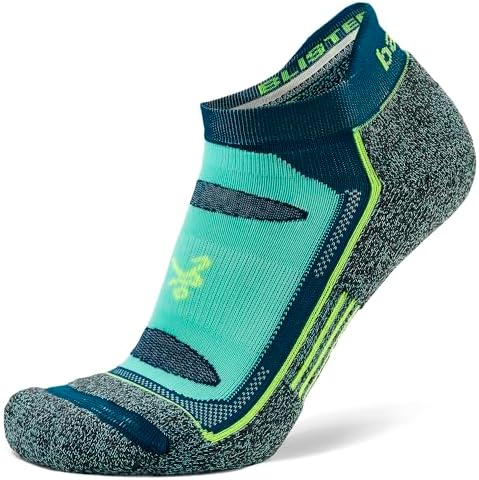
Best for: Runners with sensitive skin prone to blisters.
By combining natural mohair with Drynamix, these socks offer a unique solution for blister-prone feet. The hollow fiber structure of the mohair helps regulate temperature, keeping the foot comfortable regardless of the season.
The reinforced microfiber mesh ventilation panels work to keep the foot dry throughout your training. They aren’t intended for runners who prefer synthetic-only materials, as the mohair adds a specific texture that some may find different from standard athletic socks.
Pros
- Mohair fibers are shrink resistant
- Deep heel pocket prevents slipping
- Seamless toe minimizes friction
Cons
- Mohair texture is unique
- Not purely synthetic material
5. Brooks Run-In No Show Socks

Best for: Runners looking for long-term durability and a secure fit.
Constructed from a strong nylon-heavy blend, these socks are designed to be hard-wearing. The wide arch construction and midfoot compression ensure the sock stays put, which is essential for maintaining a distraction-free run.
The heel tab and Y-heel pocket prevent the sock from sliding into the shoe during high-intensity movement. This pair isn’t for runners who prioritize extreme softness over a firm, secure hold on the foot.
Pros
- Durable nylon-heavy fiber blend
- Y-heel pocket for secure fit
- Mesh zones for high ventilation
Cons
- Firmer feel than plush options
- Less focus on extreme softness
6. Balega Ultralight Lightweight Performance No Show Athletic Running Socks

Best for: Minimalist runners who want a sheer, lightweight feel.
These socks are constructed with ultrafine yarns to provide the thinnest profile possible. The left/right foot construction method ensures that the sock contours perfectly to the shape of your foot, reducing unnecessary bunching.
The reinforced microfiber toe and heel add protection where it’s needed most without adding excess bulk. They aren’t suitable for runners who require extra cushioning to manage foot fatigue during long distances.
Pros
- Extremely thin, lightweight profile
- Left/right specific construction
- Seamless reinforced toe
Cons
- Offers minimal impact protection
- Too thin for some preferences
7. Balega Silver Compression Fit Performance No Show Athletic Running Socks

Best for: Runners focused on hygiene and long-distance freshness.
These socks feature fibers encapsulated in silver ions, which helps create a cleaner environment for the foot. The combination of arch support bands and an extra-deep heel pocket ensures the sock stays in place during extended training sessions.
The proprietary moisture-wicking fibers keep the feet cool and dry, which is vital for preventing skin issues. They aren’t for runners who are indifferent to odor management or those who prefer a non-compression fit.
Pros
- Silver ions promote hygiene
- Compression arch support bands
- High heel tab minimizes blisters
Cons
- Compression may feel too snug
- Specific material treatment required
8. Saucony Men’s RunDry Bolt Performance No-Show Socks
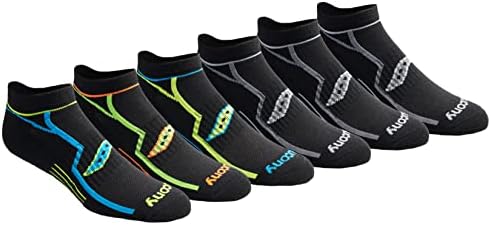
Best for: Runners prioritizing moisture transport and airflow.
These socks feature air mesh venting that creates maximum airflow around the foot. This is particularly helpful in warm conditions where sweat management becomes a primary concern for comfort.
The light cushioning provides impact protection without taking up too much room inside the shoe. They aren’t for runners who need heavy-duty arch support or a thick, plush feel under the sole.
Pros
- Superior moisture transport fibers
- Air mesh venting for airflow
- Targeted arch compression stability
Cons
- Cushioning is relatively thin
- Less support for high arches
9. adidas Men’s Superlite No Show Socks 6 Pairs

Best for: Runners who want a clean, hidden look.
The Superlite profile is engineered to stay hidden inside low-cut sneakers, providing a sockless aesthetic while maintaining athletic performance. The lightweight yarns offer a close fit that feels barely there during daily training.
Arch compression helps secure the foot, making them suitable for gym work and weekend activities alongside running. They aren’t ideal for runners who need specialized, heavy-cushioning for high-mileage road training.
Pros
- Low-profile hidden design
- Lightweight, close-fitting construction
- Arch compression secures the fit
Cons
- Not designed for high-mileage runs
- Simpler feature set than others
10. Hanes Women’s No Show Running Socks

Best for: Runners looking for a tabbed, cushioned everyday sock.
These socks feature a dense heel-to-toe cushion that helps absorb shock during movement. The breathable mesh on the top of the foot works with wicking fabric to ensure the runner stays cool and dry.
The tab at the heel is specifically designed to sit just below the ankle, preventing the sock from slipping inside the shoe. This pair isn’t for runners who prefer specialized anatomical left/right foot shaping or advanced compression zones.
Pros
- Dense heel-to-toe cushioning
- Breathable mesh ventilation zones
- Heel tab prevents slipping
Cons
- Lacks anatomical left/right shaping
- Standard fit, not compression-focused
Other Options
The adidas Cushioned No Show Socks offer a basic, reliable choice for daily athletic use with added padding. The Nike Everyday Plus No Show provides a versatile fit for various activities, while the CS CELERSPORT Athletic Running Socks focus on a tabbed design with added cushion for those who need extra impact protection.
How to Choose the Best No Show Socks for Running
Material and Moisture Management
The material of your running sock is the first line of defense against blisters and discomfort. Look for synthetic blends or merino wool, as these fibers are designed to wick moisture away from the skin. Moisture management is crucial; if your socks stay dry, your feet are much less likely to develop hot spots during a long run. Advanced socks often use proprietary fibers or mesh panels to increase airflow.
Cushioning and Impact Protection
Cushioning is a personal preference that depends on your running style and shoe fit. Plush cushioning in the heel and ball of the foot can provide extra comfort and shock absorption, which is helpful for high-mileage runners. However, if your shoes have a snug fit, thick socks might feel too tight and restrict circulation. Ultra-lightweight socks offer a thinner profile that keeps the shoe fit consistent but provides less padding. Choose the level of cushioning that balances your need for comfort with the space available inside your favorite running shoes.
Fit and Compression
A secure fit prevents the sock from sliding down into the shoe, which is a common cause of blisters. Look for socks with arch compression bands or an anatomical design that contours to the shape of your foot. A deep heel pocket and a high heel tab are essential features that keep the sock locked in place. Compression is also beneficial for stability, but ensure it doesn’t feel too tight or restrictive. A sock that fits correctly should feel like a second skin without any bunching or sliding during your stride.
Seam Construction
The construction of the toe seam is often overlooked but plays a massive role in comfort. A seamless toe or a hand-linked seam is designed to be undetectable, preventing the irritation that bulky seams cause against your toes. For runners who are prone to blisters, a seamless construction is essential. Always check for this feature to ensure a smooth, irritation-free experience. When choosing between brands, prioritize those that highlight seamless technology, as this small detail can significantly improve your enjoyment during long training runs.
Durability and Maintenance
Running socks face a lot of wear and tear, so look for reinforced heels and toes. Some brands even offer a lifetime guarantee, which is a sign of high-quality construction. Maintenance is equally important; check the care instructions to see if the socks require specific washing methods. Using cold water and tumble drying on low heat can help preserve the elasticity and moisture-wicking properties of the fibers. By choosing durable materials and following proper care, you ensure your investment lasts through many miles of training.
Narrow down your choice by identifying your primary goal: do you need blister protection, maximum cushioning, or a lightweight feel? Match your running frequency and environment to the features above to find the best fit for your needs.
Mistakes to Avoid When Buying No Show Running Socks
Choosing the Wrong Material
One of the most common mistakes is selecting socks made from the wrong materials. Many buyers assume that any athletic sock will perform well, but prioritizing cotton is a major error. Cotton absorbs moisture and stays wet, which creates the perfect environment for blisters and skin irritation. Instead, look for synthetic performance fibers or merino wool blends that actively pull moisture away from the skin. Always check the composition list on the product page to ensure the fabric is designed for athletic use. Buying based on color or brand name alone without checking the material blend often leads to disappointment on the road.
Ignoring Shoe Fit
Runners often buy thick, plush socks without considering how they will affect the fit of their running shoes. If you select a high-volume sock, it may take up too much room, making your shoes feel tight and causing pressure points. Conversely, if you wear a very thin sock in a shoe that’s slightly too large, your foot may slide around. The sock and the shoe must work together. Before purchasing, think about the current space inside your shoes. If your shoes are already snug, stick to lightweight or ultra-lightweight options. Ignoring this balance is a common mistake that can lead to toe numbness or discomfort.
Overlooking Anatomical Features
Many buyers focus only on the brand name, missing the importance of anatomical shaping. Socks that are specifically shaped for the left and right foot provide a much better fit than generic, tube-style socks. Features like arch compression and deep heel pockets aren’t just marketing fluff; they’re essential for keeping the sock in place. Ignoring these features often results in the sock bunching up under the arch or slipping down into the heel. Always look for socks that mention anatomical design or specific arch support to ensure a stable, secure fit.
Neglecting Maintenance
Many runners ruin their high-quality socks by washing them incorrectly. High-performance fibers are sensitive to heat, and tumble drying on high heat can destroy the elasticity that keeps the sock snug. Always follow the manufacturer’s care instructions, which typically recommend washing in cold water and drying on low heat or air drying. Ignoring these instructions will cause the socks to lose their shape and effectiveness quickly. Treat your running socks as specialized gear, not just everyday laundry, to ensure they provide the performance you expected when you made your purchase.
Remember to prioritize moisture-wicking materials, proper fit, and anatomical features to ensure your feet stay comfortable and blister-free.
FAQ
Are no show socks likely to slip down while running?
Look for pairs with a high heel tab and an extra-deep heel pocket. These features are specifically designed to grip the back of your foot and prevent the sock from sliding into your shoe.
Should I wear merino wool or synthetic socks for running?
Both work well, but it depends on your preference. Merino wool is naturally moisture-wicking and excellent for temperature regulation in all weather, while synthetic fibers are often lighter and dry very quickly.
How do I know if a sock is truly seamless?
Product descriptions will explicitly state “seamless toe” or “hand-linked” construction. This means the seam is flat and smooth, which is vital for preventing friction and irritation against your toes.
Do compression socks help with running?
Compression in the arch can help stabilize the foot and keep the sock securely in place. It provides a snug, supportive feel that many runners find beneficial for maintaining a distraction-free fit.
How often should I replace my running socks?
You should replace them when you notice the fabric thinning, the elastic losing its stretch, or if they develop holes. High-quality performance socks are durable, but they will eventually wear out with consistent mileage.
Conclusion
The best no show running sock is one that stays in place, keeps your feet dry, and offers the right level of cushioning for your specific shoes. By focusing on material, seamless construction, and a secure fit, you can find the perfect pair to keep your feet comfortable through every mile.
Related guides