
Finding the right relief for skin flare-ups can feel like a guessing game when you have so many options. The Best Creams For Psoriasis vary widely in their active ingredients and intended use, making it hard to know which one will actually soothe your specific symptoms. This guide helps you cut through the confusion by highlighting the key features of top products. We’ll help you decide which formula suits your skin type and daily needs.
Our Picks
10 Best Creams For Psoriasis In 2026
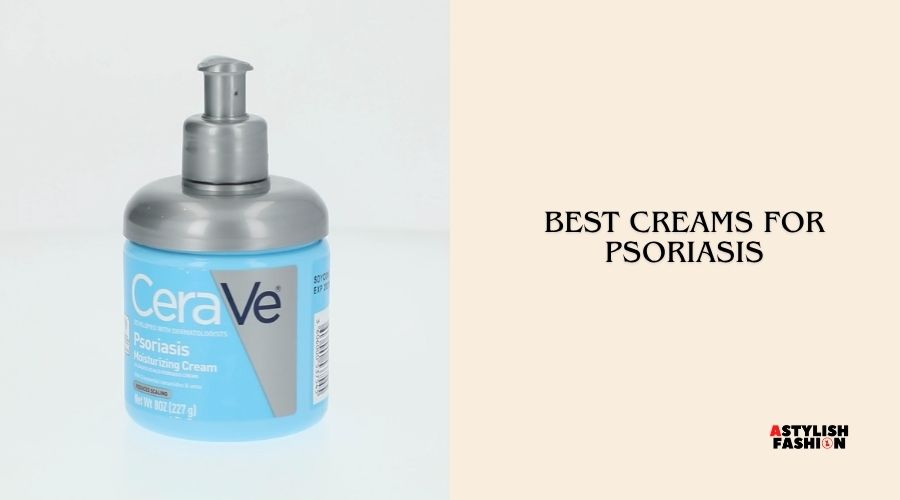
1. CeraVe Psoriasis Cream

Best for: Those needing a reliable, daily barrier-restoring moisturizer.
This cream is designed to relieve itchy, dry, and scaly skin by combining 2% salicylic acid with lactic acid for gentle exfoliation. It stands out because it includes three essential ceramides, which help maintain your skin’s natural barrier. You can use this as a face or body cream, making it a versatile choice for your bathroom cabinet.
Pros
- Contains three essential ceramides for barrier support.
- Fragrance-free and allergy-tested for sensitive skin.
- Recognized by the National Psoriasis Foundation.
Cons
- May increase skin sensitivity to the sun.
2. Keralyt 5 Psoriasis Cream

Best for: Users requiring maximum strength exfoliation for thick plaques.
Keralyt 5 uses a 5% salicylic acid concentration to tackle rough, thick scales and hyperkeratotic skin. It’s formulated to be applied all over the body, and it works especially well when used immediately after bathing to lock in moisture. This is a potent choice if your primary concern is the physical buildup of skin rather than just mild redness.
This cream isn’t for individuals with very thin or easily broken skin, as such a high concentration of acid might be too intense for some. Always start with a small area to see how your skin reacts to the strength of the formula.
Pros
- High 5% salicylic acid for deep exfoliation.
- Designed for easy application on all body areas.
Cons
- May be too strong for very sensitive skin.
3. MG217 Medicated Moisturizing Psoriasis Cream with 3% Salicylic Acid

Best for: People seeking a medicated formula with deep hydration.
This cream features 3% salicylic acid to address flaking and scaling while using ingredients like shea butter and avocado oil to keep the skin soft. It’s designed for rapid absorption, which means you won’t feel a heavy or greasy residue after applying it. The addition of Provitamin B5 and aloe helps soothe the irritation that often accompanies psoriasis.
This formula is strictly for external use, so it isn’t for those looking for a product that can be applied to broken or open skin. If you’re sensitive to botanical oils, check the ingredient list carefully before making it your primary treatment.
Pros
- Fast-absorbing formula avoids a greasy feel.
- Enriched with soothing ingredients like shea butter.
- Helps control flaking for long-term health.
Cons
- Only suitable for external use on intact skin.
4. Kenkoderm Psoriasis Cream

Best for: Those with sensitive skin who need gentle, daily relief.
Developed by a dermatologist, this cream uses 2% salicylic acid to clear rough patches without the use of artificial fragrances or dyes. It’s enriched with meadowfoam seed oil and shea butter, which help restore the skin’s moisture barrier. The non-greasy texture makes it easy to incorporate into your morning or evening routine.
If you have severe, thick plaque buildup, you might find this gentle approach takes longer to show results compared to higher-strength acid formulas.
Pros
- Fragrance and color-free for sensitive users.
- Contains moisturizing shea butter and seed oils.
- Non-greasy and absorbs easily into the skin.
Cons
- Gentle formula may be slow for thick plaques.
5. Gold Bond Multi-Symptom Psoriasis Relief Cream

Best for: Multi-symptom relief including redness and itching.
Gold Bond focuses on stopping the itch and reducing the redness that comes with psoriasis and seborrheic dermatitis. This cream is steroid-free, making it a popular choice for those who want to avoid those ingredients in their daily regimen. It’s recognized by the National Psoriasis Foundation, which adds a level of trust for many buyers.
It’s intended for targeted relief of symptoms rather than as a general-purpose body lotion.
Pros
- Steroid-free formula safe for daily use.
- Specifically targets itching, redness, and flaking.
- Recognized by the National Psoriasis Foundation.
Cons
- Not designed for use as a general moisturizer.
6. Amélie DermaCalm SOS Therapy

Best for: Families needing a gentle, clinical-grade soothing option.
This therapy cream uses an 8% urea complex combined with hyaluronic acid and probiotics to calm severely dry and scaly skin. It’s hypoallergenic and free from steroids and parabens. The inclusion of individual sachets is a thoughtful touch for people who want to keep a small amount of product in their bag or car.
The addition of yogurt extracts and other complex ingredients means you should test it first if you have specific plant-based allergies.
Pros
- High 8% urea for intense hydration.
- Includes convenient travel-sized sachets.
Cons
- More complex formula may require patch testing.
7. First Honey® Manuka Honey Cream

Best for: Those who prefer natural, ingredient-focused skin repair.
This cream uses Manuka honey as its primary emollient to soothe irritated skin. It’s free from fillers, petroleum, and antibiotics, which makes it a standout for parents looking for a clean option for their children. The low pH of the honey is intended to promote a healthy skin environment.
If you have a known allergy to bee products, you must avoid this cream entirely.
Pros
- Natural Manuka honey provides soothing relief.
- Contains no fillers, parabens, or petroleum.
Cons
- Doesn’t contain salicylic acid for exfoliation.
8. SORARESAL Psoriasis Cream

Best for: Users interested in herbal and plant-based biotechnology.
SORARESAL combines 2% salicylic acid with tropical plant oils like coconut and safflower oil. It’s formulated using biotechnology to ensure the cream is steroid-free and fragrance-free. This is a unique option for people who want the benefits of a medicated acid treatment alongside the soothing properties of plant extracts.
Always check the full ingredient list to ensure you aren’t sensitive to any of the specific tropical plant oils used in the blend.
Pros
- Combines salicylic acid with natural plant oils.
- Steroid-free and fragrance-free formula.
- Useful for both day and night application.
Cons
- Specific herbal ingredients require checking for allergies.
9. Recuren Plus Seborrheic Dermatitis Face Cream

Best for: Managing facial psoriasis and sensitive, bump-prone skin.
This cream is specifically designed for the face, using azelaic acid and ceramides to soothe redness and flakes. Its lightweight, non-greasy texture makes it ideal for wearing under makeup or as part of a morning skincare routine. It’s safe for long-term use, which is helpful for chronic conditions.
It isn’t for someone with widespread body psoriasis, as the bottle size is smaller and meant for targeted facial application.
Pros
- Lightweight and non-greasy for facial use.
- Enriched with ceramides to support skin barrier.
- Safe for daily use on sensitive areas.
Cons
- Small container size not ideal for body use.
10. Roycederm Seborrheic Dermatitis Cream
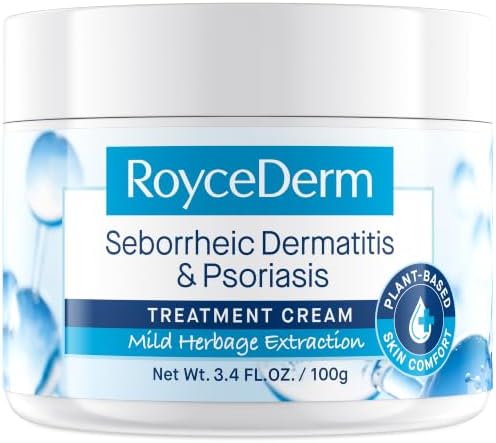
Best for: Targeted relief for scalp irritation and dandruff.
This cream is designed to treat the burning, itching, and scaling associated with seborrheic dermatitis and psoriasis, particularly on the scalp. It uses mild herbal ingredients in a steroid-free formula to soothe the skin. It’s easy to massage in and is intended to be used twice daily.
If you have very long hair, applying this to the scalp can be a bit messy, so plan your application accordingly.
Pros
- Specifically targets scalp-related itching and scaling.
- Herbal, steroid-free ingredients for sensitive relief.
- Easy to apply and massage into skin.
Cons
- Can be difficult to apply through thick hair.
Other Options
Wild Naturals Eczema Psoriasis Cream relies on Manuka honey to provide moisture and soothe irritation, making it a solid natural choice. Nizoral Eczema Relief Cream is a targeted option for those needing to stop itching and dryness quickly. Bneykrir Psoriasis Cream uses a propolis and honey blend that’s noted for being fast-absorbing and non-greasy for those who dislike residue.
How to Choose Psoriasis Creams
Understanding Active Ingredients
The most important factor is the active ingredient. Many creams use salicylic acid, which is excellent for exfoliation and removing scales. If your skin is thick and scaly, look for a higher percentage of acid. However, if your skin is red and inflamed rather than scaly, you might prefer a cream with soothing agents like aloe, shea butter, or ceramides. Avoid choosing a product based only on the “psoriasis” label; check if it uses chemical exfoliants or natural moisturizers, as your skin needs will dictate which one actually works.
Considering Texture and Absorption
You’ll be applying this cream daily, so the texture matters. Some formulas are lightweight and absorb quickly, which is perfect for the face or areas under clothing. Others are thick, rich ointments meant to seal in moisture, which are better for thick patches on elbows or knees. If you hate a greasy feel, look for “non-greasy” or “fast-absorbing” on the label. A cream that feels heavy or sticky might discourage you from using it regularly, which is the biggest mistake you can make when treating a chronic condition.
Evaluating Sensitive Skin Needs
If you have sensitive skin, look for products that are fragrance-free and dye-free. Many psoriasis creams contain potent acids that can irritate already raw skin. Products that include ceramides or natural emollients like honey are often better for those who need to repair their skin barrier while managing symptoms. Always check for a “hypoallergenic” tag if you have a history of reactions to skincare products. Testing a small amount on your wrist before applying it to a large flare-up is a wise step to avoid a widespread reaction.
Scalp and Face Specifics
Not all creams are created for the same area. A cream meant for the body might be too heavy for the face. Conversely, a facial cream might be too mild for thick plaques on your legs. If you have scalp irritation, look for creams designed for easy massage, as they need to reach the skin through your hair. For the face, prioritize non-comedogenic formulas that won’t cause breakouts. Matching the product to the location of your flare-up ensures you get the best results without extra irritation.
Narrow your choice by identifying your primary symptom: is it scaling, itching, or redness? Pick a product that targets that specific issue while matching your preferred texture.
Mistakes to Avoid with Psoriasis Creams
Ignoring Patch Testing
[0] The most common mistake is applying a new cream to a large area without a patch test. Even if a product is labeled as “gentle” or “natural,” your skin may have a unique reaction to a specific plant oil or preservative. Always apply a small amount to your inner arm and wait for a full day. This simple step prevents a localized flare-up from turning into a widespread, painful irritation across your entire body. Never assume a product is safe just because it is highly recommended by others.
Over-Exfoliating the Skin
Many people make the mistake of using high-strength salicylic acid creams too often. While these ingredients are great for removing scales, they can strip the skin of its natural moisture if used too aggressively. If your skin starts to feel tight, raw, or burns upon application, you’re likely over-exfoliating. Follow the directions on the package exactly. If the label says “once daily,” don’t use it four times. Giving your skin a rest is often just as important as the treatment itself.
Expecting Instant Results
Psoriasis is a chronic condition, and expecting a cream to clear your skin overnight is a recipe for disappointment. A common mistake is switching products every few days because you don’t see an immediate change. Most medicated creams require consistent use over several weeks to show real improvement. Stick with one product for at least a month unless you have a negative reaction. Consistency is the only way to determine if a specific formula is truly effective for your skin type.
Using the Wrong Formula for the Area
Applying heavy ointments to delicate facial skin or using lightweight lotions on stubborn, thickened plaques is a common mistake that undermines your treatment. You must consider the site of application. Thick plaques need the deep, occlusive moisture of a heavy cream, while facial skin needs something lighter that won’t cause acne. Buying one “do-it-all” cream often leads to mediocre results in all areas. If you have different types of flare-ups, it’s better to have two different products tailored to those specific needs.
Before buying, assess your skin’s current condition and be patient with the healing process. Avoid the urge to over-treat, and always prioritize consistency and the right formula for the specific area.
FAQ
Can I use these creams on my face?
Only if the product label specifically mentions it’s suitable for facial use. Facial skin is more delicate, and some psoriasis creams with high acid concentrations may be too harsh for the face.
How often should I apply the cream?
Always follow the manufacturer’s directions, which usually range from one to four times daily. Using more than recommended can lead to skin irritation rather than healing.
What should I do if the cream burns?
Stop using the product immediately and wash the area with cool water. You may have an allergy or your skin barrier may be too compromised for that specific formula.
Can I use these alongside my prescription medication?
You should always consult with your doctor before combining over-the-counter creams with any prescribed treatments. They can advise if the ingredients will interact negatively.
Conclusion
The most useful takeaway is that consistency and matching the product to your specific symptoms are the keys to success. Whether you need a high-strength exfoliant for thick plaques or a gentle, barrier-repairing cream for sensitive skin, choose one product and stick with it to see real results.
Final Thoughts
Choosing the right treatment takes a little patience, but your skin will thank you for the extra care. Don’t hesitate to bring a list of your favorite ingredients to your next doctor’s visit. They’ll help you confirm if a new choice is safe, so you can finally start feeling more comfortable.
Related guides